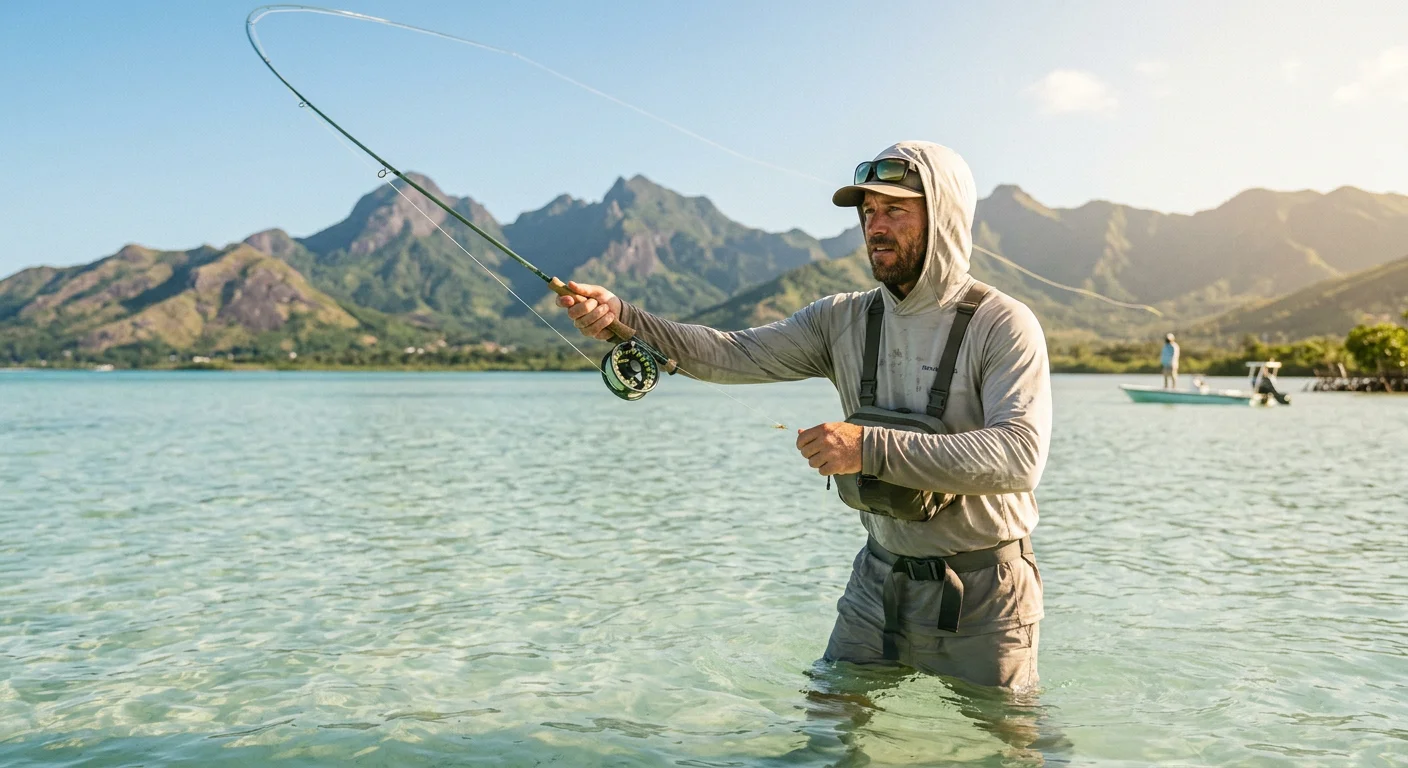
Mile three of a backcountry wade. Water at 38°F. Your knees are deep in a seam that might hold the best cutthroat you've ever seen. At that point, specs don't matter anymore. One thing does: is this wader keeping you dry and comfortable, or is it failing you?
For anglers sourcing gear at scale, that same question is what drives decisions when working with custom fishing wader suppliers — because failure in the field always shows up faster than it does in a catalog.
That question — not the marketing copy — is what separates the Simms Freestone from the G3 Guide. Both are solid waders. Both carry the Simms name. But there's a $250-plus price gap between them. One fits your fishing life. The other is overkill — or worse, not enough.
I've worn both through full seasons on the water. Lazy summer floats. Brutal late-October wade trips. Here's where that money goes, and whether your fishing style demands it.
The $320 Price Gap Explained: What G3's Premium Buys You
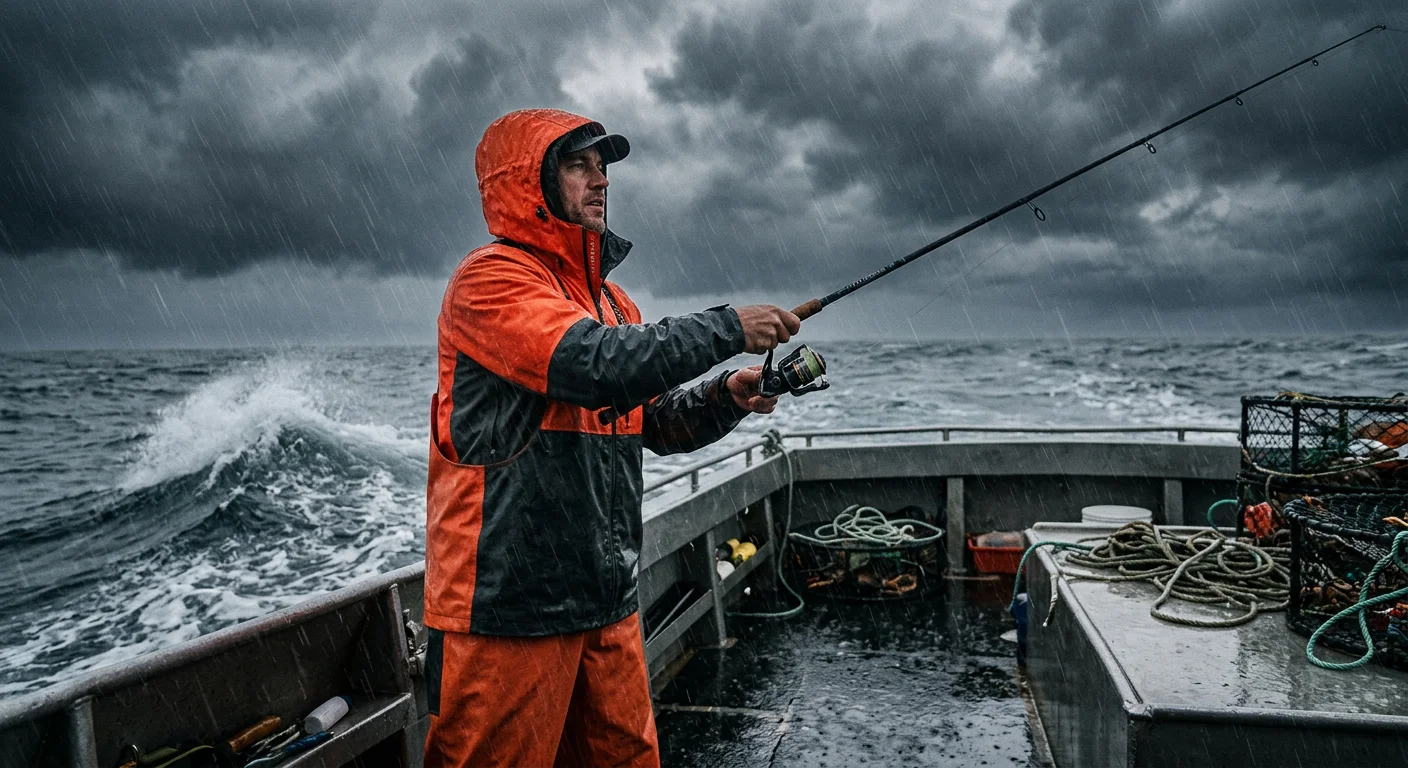
Let's be direct about what you're paying for. "Gore-Tex" and "premium construction" get thrown around so often they start to mean nothing — especially once you’ve compared spec sheets across different fishing wader manufacturers.The Freestone runs Simms' proprietary Toray Quadralam fabric — a 3-layer breathable laminate that holds up well across most fishing conditions. It handles a full day on the water. It keeps you dry through a normal season. For a lot of anglers, it never fails.
The G3 Guide uses Gore-Tex Pro Shell in a 4-layer construction . That one material upgrade accounts for a big chunk of the price gap. Here's why it's not just marketing: the 4-layer system bonds an interior fabric face straight to the membrane. That removes the loose inner liner you feel against your legs in the Freestone. That liner bunches after hour four. It pulls in just enough moisture to feel clammy by mile two.
That physical difference is real. It also builds up over time.
Where the remaining premium goes:
Seam construction : G3 uses fully seam-taped welded seams with reinforced stress points at the knees and seat. The Freestone's seam taping is solid, but less thorough in high-wear zones.
Fit architecture : G3's articulated patterning — the pre-bent knee design in particular — cuts fatigue during long wade sessions. You feel it most on uneven ground past the three-hour mark.
Gravel guard system : Both waders include Simms' integrated gravel guards. G3's attachment points use heavier webbing and a tighter underfoot strap design.
Pocket layout : G3 adds a chest pocket with a waterproof zipper and a handwarmer pocket. These matter on cold mornings when you're rigging up with numb fingers.
Durability margin : The 4-layer Gore-Tex fabric handles abrasion better than Toray Quadralam. Against submerged granite and the constant flex stress of heavy wading days, that edge adds up over a full season.
Here's the honest breakdown: $150 of the gap covers the Gore-Tex material cost and the labor behind tighter seam construction. The other $170 gets you a better fit, more features, and a durability ceiling the Freestone never hits — not because the Freestone is built poorly, but because it was made for a different level of demand.
The real question is whether that level matches how you fish.
It’s about which one matches how hard you fish — something buyers often evaluate alongside fishing wader whole price when balancing cost vs lifespan.
Breathability and Waterproofing: GORE-TEX vs Toray in Real Fishing Conditions
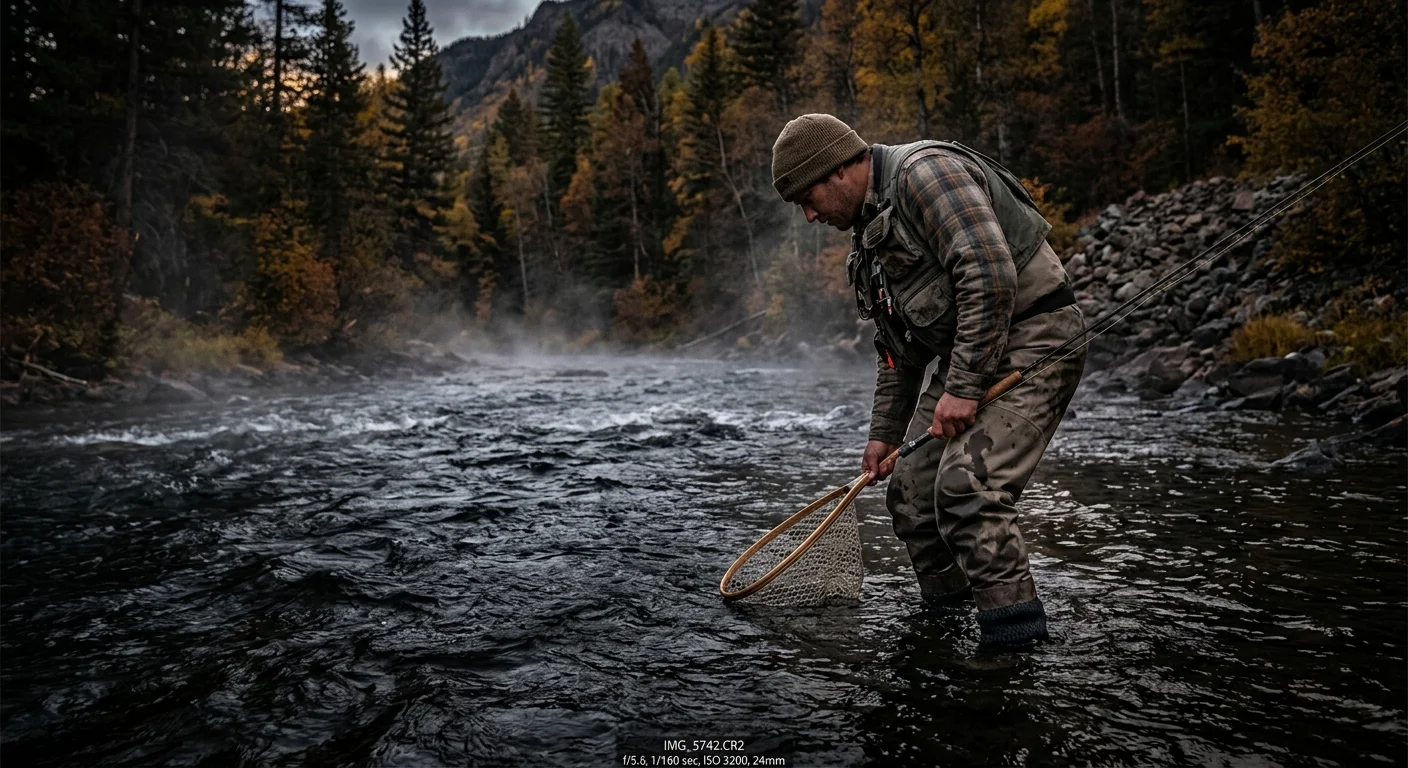
Numbers tell part of the story. The rest shows up around hour five. Your base layer starts clinging to your thighs. You realize the wader stopped working for you a while back.
Here's what the specs mean on the water.
Gore-Tex Pro Shell — the membrane inside the G3 Guide — tests at 28,000 to 40,000mm hydrostatic head for waterproofing. Toray Quadralam, the fabric doing the work in the Freestone, lands in the 20,000 to 30,000mm range . On paper, that gap looks manageable. In a standard day of wade fishing, it mostly is. You're not kneeling under sustained hydraulic pressure. You're moving through current, dropping a knee on a wet boulder, brushing against streamside brush soaked from morning rain.
Both fabrics handle that. Neither will fail you on a normal Tuesday.
The gap opens up in breathability — and in the conditions that stress it.
Gore-Tex Pro breathes at 25,000 to 28,000+ g/m²/24h . Toray Quadralam sits in the 15,000 to 20,000 g/m²/24h range. That difference feels abstract until you're hiking a steep trail to reach a high-country creek in late August. Move hard for forty minutes, drop into the water, and a less breathable membrane traps sweat moisture against your skin. The Freestone holds up at a moderate pace. Push harder, and you start feeling the ceiling.
The G3 doesn't hit that ceiling at the same point.
The One Place Toray Wins
Most marketing skips over one real-world variable: contamination resistance . Gore-Tex runs on a physical pore structure — tiny holes that block liquid water while letting vapor through. Salt crystals, fish slime, and body oils clog those pores over time. After a season of saltwater-adjacent fishing or close-quarters fish handling, breathability drops in a measurable way.
Toray uses a hydrophilic membrane — a chemical transfer system with no pores to clog. Moisture moves through molecular attraction. The contamination cycle that hits Gore-Tex doesn't apply here. For anglers doing inshore saltwater crossover, or fishing water with high organic content, the Toray fabric in the Freestone ages more consistently in that specific area.
That's not a reason to pick the Freestone over the G3. But it's a real performance detail worth knowing.
What This Means Across Fishing Seasons
Condition | Freestone (Toray) | G3 Guide (Gore-Tex Pro) |
|---|---|---|
Casual wade, mild temps | Adequate | No noticeable advantage |
Active hiking + wading | Approaches its limit | Comfortable margin remaining |
Cold sustained rain, 4+ hours | Holds, with DWR maintenance | More consistent long-term |
Saltwater or high-slime exposure | Ages well, pore-clog resistant | Requires more diligent cleaning |
Multi-day backcountry trip | Adequate for moderate demand | Preferred for high-output days |
DWR treatment matters on both. The outer face fabric can saturate — anglers call it "wetting out." That kills breathability, no matter how strong the membrane underneath is. The G3's 4-layer construction, with its bonded interior face, resists wetting out longer. The Freestone's 3-layer system needs more frequent DWR refresh to hold peak breathability through a full season.
Fish two to three times a month and clean your gear between trips — the Freestone breathes well enough that you won't notice the gap. Log four-plus days a week, push hard between runs, fish into November — that gap stops being a spec sheet number. You feel it.
That makes the Freestone surprisingly consistent in dirty or salt-influenced environments — something often factored in by experienced fishing wader wholesalers.
Durability and Abrasion Resistance: How Long Each Wader Lasts
Waders don't fail with a bang. They fail quietly — a pinhole at the knee seam, a slow damp patch spreading across your thigh by noon. By the time you notice, you're already standing in 40°F water with no idea how long it's been leaking.
The Freestone and G3 Guide age on different timelines. Not because one is built badly and the other isn't. They're built to handle different levels of hard use.
The realistic lifespan numbers:
With moderate use — two to three outings per month, mixed conditions — the Freestone holds up for three to four solid seasons before leaks start showing up. The G3, kept in good shape, pushes well past five. Simms' own repair center has worked on waders ten, fifteen, even twenty years old. Those are almost always G3s and their older models. That's not a marketing claim. That's what 4-layer Gore-Tex construction delivers over the long run.
Fish hard four or more days per week? The numbers shrink fast. A Freestone under that kind of load gives you one to two seasons before the high-wear zones start breaking down. The G3 gets you closer to three under the same conditions.
These are exactly the areas a good fishing wader factory focuses on — because that’s where real-world failure happens first.
Where the Freestone Loses Ground First
Knees and seat. Every time. The Toray Quadralam fabric in the Freestone is a solid 3-layer laminate. But it holds up less well against abrasion than Gore-Tex Pro Shell at the spots that take the most punishment. Drag your knees across submerged granite for a full season of hard wading — brushy creek fishing, tight cover, uneven bottom — and the Freestone's knee panels show wear by year two. Pinholes come next. Then full seam failure.
The G3's reinforced knees and seat are built to stop that exact failure pattern. That's not a happy accident in the design. It's where experienced wader engineers add material because they know where hard use breaks things first.
One variable most anglers miss: fit. A wader that bunches at the knee or pulls across the seat grinds on itself from the inside. The fabric wears out from the inside, silent and hidden, until the outer layer finally gives way. The G3's pre-bent knee construction isn't just a comfort feature. It cuts out the low-level, constant friction that eats through a poorly fitted wader — no matter how good the material is.
How to Extend Either Wader's Life
The gap between one season and five isn't only about which wader you bought. It's about what you do after the trip ends.
Rinse, dry, and hang after every use. Folding damp waders traps moisture and breaks down the fabric at the crease points. This hits the Freestone's 3-layer system harder than the G3's bonded construction.
Check knees and seat before each trip, not after. Catching a pinhole early costs you a repair kit and twenty minutes. Missing it costs you the wader.
Use the gravel guard system right. Both models come with built-in gravel guards. A loose underfoot strap lets grit work its way up into the boot cuff area — the second most common spot for early abrasion failure after the knees.
Store hanging, not folded or compressed. Neoprene cracks. Laminate creases. Cool, dry, and unfolded storage adds real seasons to either wader's life.
Here's the straight answer on lifespan: the Freestone is a three-to-four season wader for an angler who takes care of their gear and fishes at a normal pace. The G3 is a five-to-ten season wader for someone who doesn't want to go through this decision again for a long time. That durability gap is real. For heavy users, it changes how the price difference looks. Spending $550 once across eight seasons costs less than spending $320 twice in the same stretch — and a lot less in frustration.
Comfort, Fit, and Mobility: All-Day Wading Performance Compared
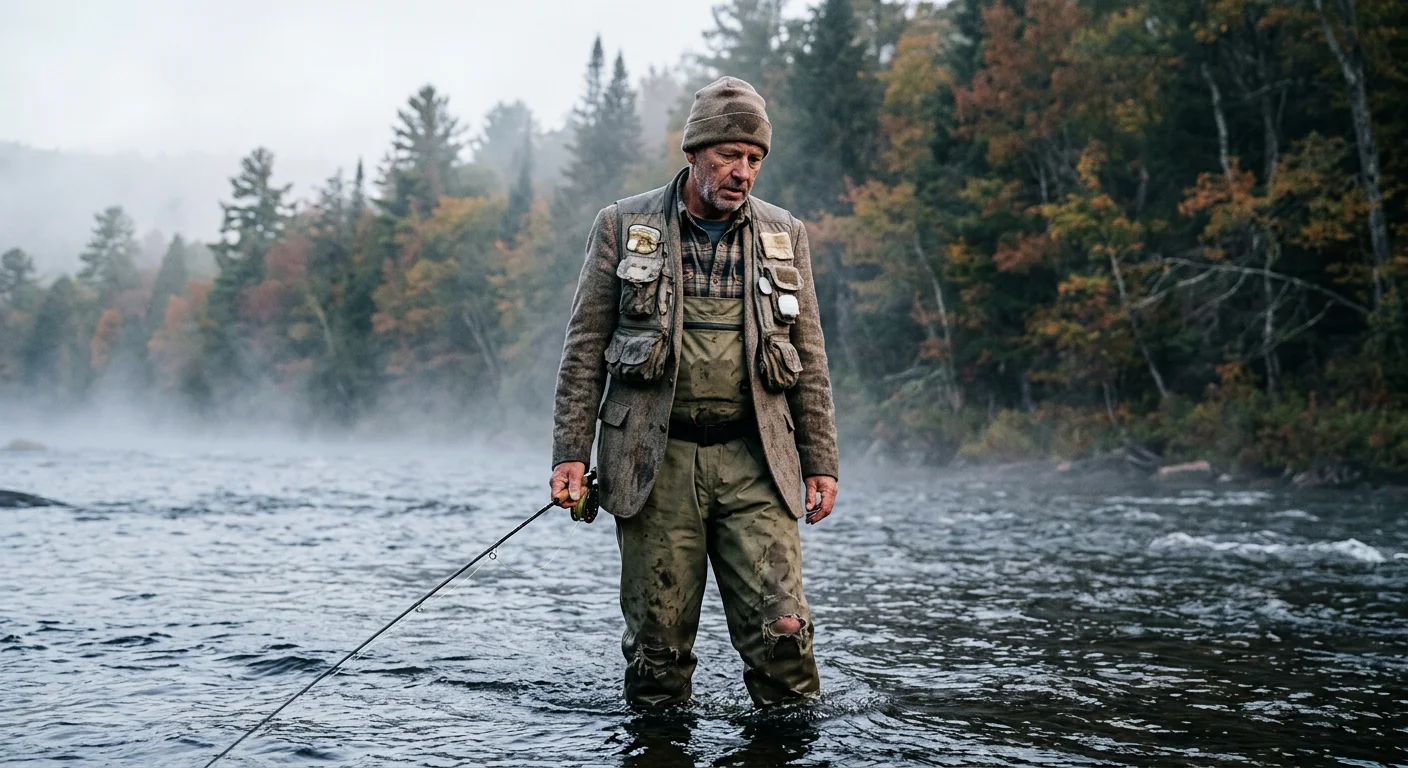
Fatigue is a slow liar. It doesn't hit you at hour one. It builds — a bunched inner liner here, a pulling seam across the hip there. By hour six, you've stopped fishing and started just enduring.
That's where the Freestone and G3 Guide split apart. The difference has less to do with waterproofing specs than most anglers expect.
How the Fit Architecture Differs
The Freestone fits well for the first few hours. There's enough room across the seat and thighs for normal wading movement — crossing current, dropping into a crouch, climbing a boulder. But the 3-layer construction leaves a loose inner liner sitting against your legs. It doesn't feel like much at first. By hour four, it's bunching behind the knees. By hour six, it creates enough friction and drag that your stride shortens. You didn't choose to slow down. The fabric did it for you.
The G3's 4-layer bonded construction cuts that liner out. The interior face bonds straight to the membrane. No loose layer. No sliding fabric. You get a wader that moves with you — not around you. On paper, that sounds like a small detail. Over a full day on uneven water, you feel it in every step.
The pre-bent knee design is worth calling out. The G3 is articulated. The knees are patterned with a slight forward bend that mirrors how a leg moves through current and across streambed terrain. You take a natural step without fighting the fabric. On a flat gravel bar, that's barely noticeable. Scrambling across submerged boulders for three hours? It makes a real difference. The Freestone's straighter cut adds low-level resistance through repeated flexion. Not enough to stop you — but enough to wear you down over a long session.
The Stockingfoot Advantage for Active Wading
Both models are simms stockingfoot waders , which is the right call for serious wade fishing. Stockingfoot construction keeps bulk down. It pairs with purpose-built wading boots for real traction and ankle support. Plus, it stays packable enough for backcountry access.
The G3's anatomical neoprene stocking feet add cushioning the Freestone doesn't match. On long days over rocky substrate, that padding difference shows up in your feet. You'll notice it before you can even name what's wrong.
The Real-World Comfort Gap
For trips under four hours in moderate terrain, both waders hold up well. The Freestone won't let you down in those conditions.
Push past that point — full-day wade trips, technical terrain, repeated boulder crossings — and the G3's fit starts paying off. Less internal fabric movement means less fatigue. Less bulk at the knee means better mobility on uneven footing. A better-fitting wader is also a safer one. You stay more agile. You stay more responsive. You're less prone to a bad step because your legs are working inside your gear — not against it.
The honest summary: the Freestone is comfortable enough for most fishing situations. The G3 is comfortable through all of them.
Cold Weather and Harsh Conditions: Where the Performance Gap Widens
November water doesn't forgive hesitation. Step into a 38°F run at first light, and everything your wader is made of gets tested at once — not bit by bit, not gently.
This is the condition that separates the Freestone and G3 Guide more than any other. Not because one wader breaks down in the cold. Cold is cumulative. And that's where material quality, seam integrity, and thermal management stack up into a gap you can't ignore.
The core issue is moisture management under cold stress.
Air temperature drops. Water stays brutal. Your body works harder to stay warm. That means more exertion, more internal moisture, and more pressure on your wader's breathability system to push vapor out before it settles against your skin. The Freestone's Toray Quadralam handles moderate cold well. Push into sustained low temperatures — a full November day, a pre-dawn December wade — and its 15,000 to 20,000 g/m²/24h breathability ceiling starts to matter.
The G3's Gore-Tex Pro membrane runs at 25,000 to 28,000+ g/m²/24h. It keeps vapor moving at a faster rate even in the worst conditions. That gap feels small on a mild October morning. Spend four hours in 35°F water with your body straining just to hold temperature, and you'll feel the difference.
Cold Also Attacks the Seams
Temperature cycling — cold soak, body warmth, cold soak again — puts stress on seam adhesion over time. The G3 uses fully welded, reinforced seams at the knees and seat. Those seams hold up against the expansion-contraction cycle better than the Freestone's lighter taping in high-wear zones.
Cold weather is where a wader's weak points show up first. The G3 has fewer of them.
The Verdict by Angler Type: Freestone or G3 for Your Specific Situation
Stop overthinking it. The right wader isn't the best wader on the market — it's the one that matches how you fish.
Here's the straight call by angler type.
The Weekend Angler (1–2 trips per month)
You hit the water on Saturdays. Maybe a Sunday if the weather cooperates. You fish spring and fall, skip the brutal cold, and you're not logging marathon sessions.
Buy the Freestone.
At $329.95, the Toray Quadralam fabric handles everything your fishing throws at it. You won't push its breathability ceiling. You won't wear through the knees in a season. Rinse it, dry it, hang it between trips — this wader gives you three to four solid seasons without touching your wallet again. Spending $550-plus on a G3 at your usage level means the Gore-Tex advantage goes to waste.
The Heavy User (3–4+ days per week)
You fish the way most people eat lunch — on schedule, without pause, year-round.
Buy the G3.
This is the profile where the math flips. At your pace, a Freestone gives you one to two seasons before the high-wear zones start failing. A G3 gets you five or more. That's $550 once across eight seasons versus $329 twice in four years. Add in the frustration of a mid-season wader failure on top of that. The Gore-Tex Pro membrane, the welded seams, the bonded 4-layer interior — all of it was built for the punishment you put it through.
The Expedition Angler (2–4 backcountry trips per year)
You don't fish often, but you go hard. Multi-day trips. Remote water. No gear shop within fifty miles.
Buy the G3.
Usage frequency is the wrong metric here. Consequence is the right one. A pinhole leak on day three of an Alaskan wade trip isn't an inconvenience — it's a ruined trip. The G3's strong seam construction and reinforced stress points are built for conditions where failure carries real cost. The $220 premium buys you a safety margin where none exists otherwise.
The Quick Decision
Your Profile | Buy This |
|---|---|
Weekend angler, 1–2x/month | Freestone |
Year-round heavy user, 3–4x+/week | G3 Guide |
Occasional expeditions, high stakes | G3 Guide |
The Freestone is a capable, honest wader. It does what it promises — nothing more, nothing less. The G3 is a tool for anglers who fish beyond what an honest wader can sustain. Know which one you are, and the decision makes itself.
Conclusion
The price gap between these two waders isn't about Gore-Tex versus Toray. It's about how often the water wins .
Wade two weekends a month in moderate conditions? The Simms Freestone waders protect you, hold up season after season, and still look solid after three years. That $320 you saved? It just became a new reel.
But picture this angler: knee-deep in a November tailwater before sunrise. Cold air. Hard current. Four more hours until the hatch. The G3 earns every dollar of its price the moment you step in.
And if you're thinking beyond personal use — sourcing, scaling, or building your own line — working with OEM/ODM fishing wader services gives you control over that exact balance between cost, durability, and performance.
At hour six, the breathability gap stops being a number on a spec sheet. You feel it in your legs.
Bottom line: buy the Freestone if your calendar has gaps. Buy the G3 if it doesn't.
Check the Simms wader sizing chart before ordering either one. A perfect fit outlasts perfect fabric every time.