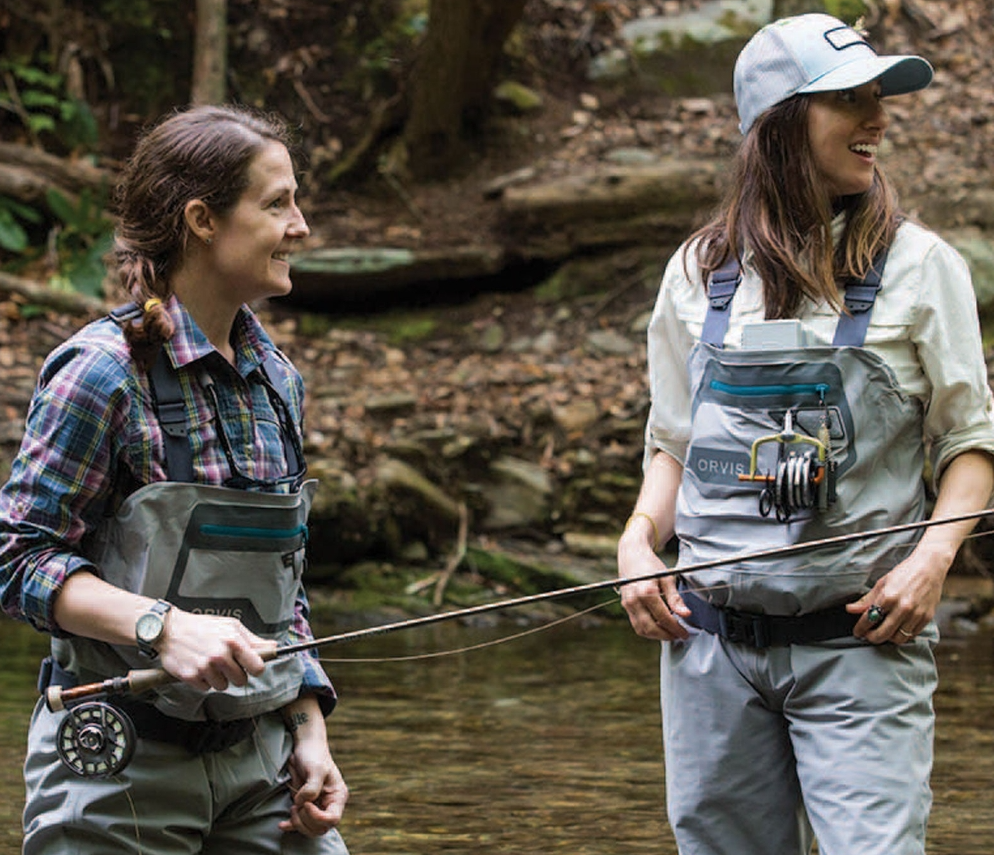
Every woman who's stood thigh-deep in a cold river knows this feeling. The waders gap at the hips, bunch at the knees, and compress in all the wrong places. That frustration is real — because most "women's waders" on the market are just shrunken men's patterns with a pink colorway slapped on.
There's a big difference between waders that fit and waders you're just wearing . One gives you a productive day on the water. The other gives you a miserable one.
This guide cuts through the marketing noise. It maps out which women's fishing wader manufacturers in the USA are engineering for the female body — accounting for different hip-to-waist ratios, shorter torsos, and proportional inseam options. It also calls out the brands coasting on rebranded unisex cuts.
You're a retailer sourcing for a demanding customer base? Or a female angler who's done settling? Either way, this is the honest breakdown you've been looking for.
Simms Fishing Products
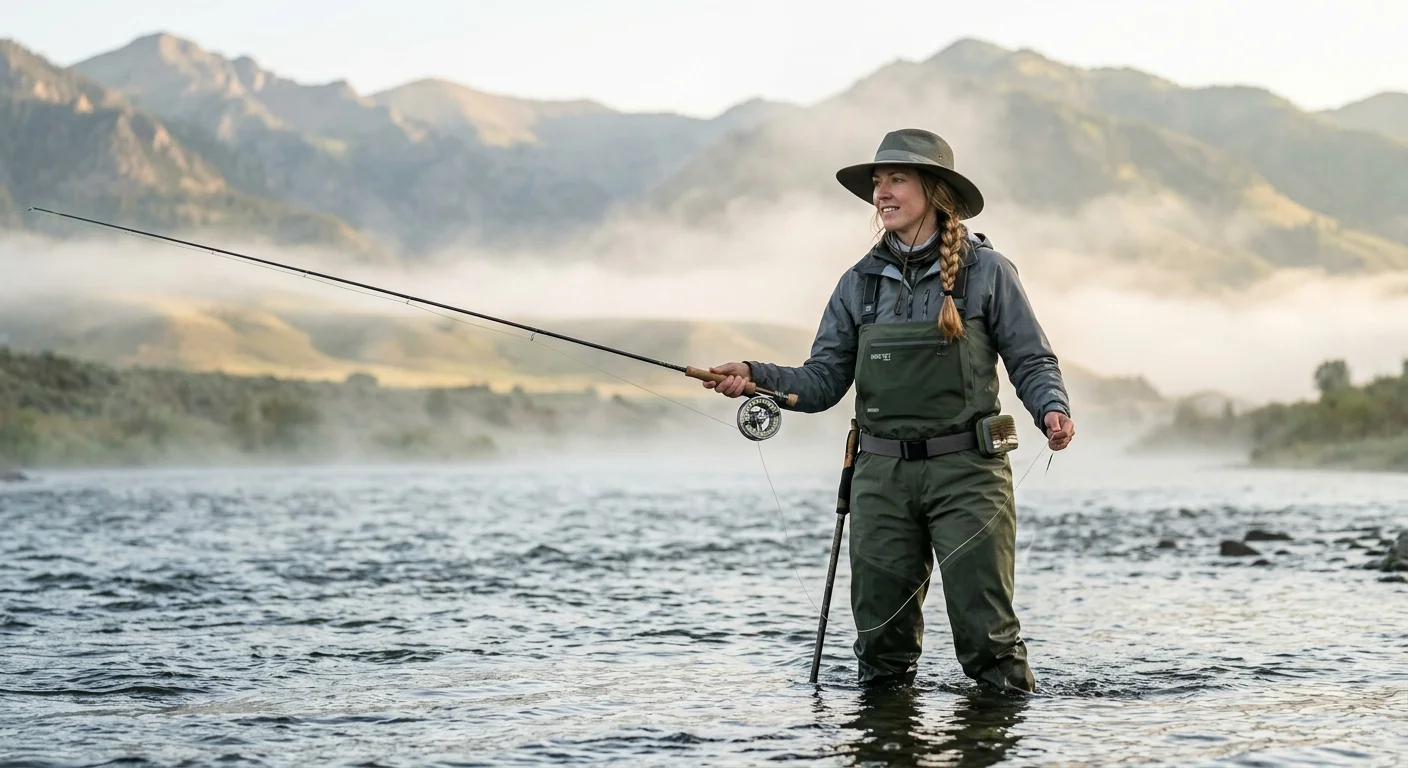
Bozeman, Montana. That's where Simms hand-assembles its top-end waders — and that geographic fact carries more weight than most marketing copy ever will.
Simms isn't trying to be everything to everyone. It's a technical fly-fishing brand with around 150 products, a premium price point, and one clear promise: waders built for serious use, not casual weekend outings. Vista Outdoor once described the company as a "leading designer, marketer and manufacturer of waders" — that says a lot about where the industry places Simms.
The women's line holds up to that reputation. For the most part.
What "Women's-Specific" Really Means at Simms
Simms isn't just scaling down a men's pattern. The women's waders use distinct bootie patterns, separate hip and leg grading, and contoured upper panels built around real female proportions — shorter rise, wider hip-to-waist ratio, narrower shoulder load distribution.
The adjustable Y-back or H-back suspender system targets narrower shoulders. It's not a trimmed men's harness. Knee articulation is aggressive. The seat is shaped. On upper-tier models, the gusseted inseam cuts seam stress at the spots women feel most.
That's not marketing language. That's pattern engineering.
The Product Lineup
Two models anchor the women's line:
Women's Freestone Stockingfoot — Simms' workhorse. It runs on a proprietary multi-layer breathable laminate (Toray-based, not GORE-TEX), with reinforced knee and seat panels. Price lands around US$380–$450 . This is the go-to for guides and frequent anglers who put durability above prestige.
Women's G3 Guide Stockingfoot — Specialty dealers point to this one as the best balance of comfort and performance. You get GORE-TEX breathable laminate , zoned construction (3-layer upper, reinforced 4-layer lower), and a price band of US$600–$700 . Dealers like Tailwaters call it "the go-to — perfect blend of durability and comfort."
G4-level women's models show up at US$750+ , though stock rotates by season.
Fabric and Construction
Simms builds in zones. The upper body gets lighter 3-layer laminate — good for mobility. The legs, seat, and knees get heavier 4-layer reinforcement to handle abrasion from rocks and brush.
G3 and above use GORE-TEX laminates . Freestone runs on Simms' own Toray-based system — still breathable, but built more for durability at a lower price.
The durability-first approach isn't just a claim. These waders are made to last multiple seasons under heavy use, not just photograph well in a catalog.
Sizing: The Honest Part
Core women's sizes run W-S through W-XL , with Short and Long inseam options across most sizes. That covers a solid range — but not everyone.
Specialty shop fit guides agree: Simms fits athletic and average builds very well . You get a secure upper body, good leg articulation, and comfort over long days on the water. Women with pronounced hips or curves in the lower seat often need to size up — this shows up more in Freestone, where fabric stretch is tighter. At the far ends of the size range — true petite or extended plus — Simms leaves gaps that some newer niche women's brands have started to fill.
That's not a dealbreaker for most buyers. But it's worth knowing upfront.
Who This Is Really For
Simms women's waders are built for technical fly fishing : cold rivers, full-day trips, anglers logging 100+ days per year, professional guides. This is not entry-level gear, and the price reflects that. At the G3 level, it stands beside Patagonia's highest-end women's waders and sits above most Redington and mid-tier Orvis options.
B2B buyers and retailers: Simms sells through authorized specialty fly shops with MAP enforcement and brand integrity controls. Women's fishing wader Logo customization is available on existing models — bulk program orders run 24–50 units per style through a sales rep, with per-position upcharges. There's no sign of OEM or private-label fishing apparel manufacturing. Simms guards the brand name closely.
For female anglers, the bottom line is straightforward: you fish hard, you need gear that holds up on a cold river in October — Simms earns its price. Know your measurements. And outside the athletic-average range, try before you buy.
Run Fish Apparel
Most wader brands start with a men's program and bolt on women's sizing later. Run Fish Apparel built its entire business the other way around.
Run Fish operates as a niche women's wader specialist in the US performance fishing apparel space. It works less like a traditional brand and more like a design and engineering bridge — developing women-specific fit blocks in-house, then producing through vetted fishing apparel partner factories in Vietnam and Cambodia. The outcome is a quiet but capable OEM/ODM fishing apparel platform. Fly shops, coastal outfitters, and lifestyle fishing brands are turning to it to add a credible women's chest waders line — without building the technical foundation from scratch.
The Fit Engineering Is the Product
The core differentiator here isn't fabric or colorway. It's the pattern architecture.
Run Fish builds from 3D body scans using true female waist-to-hip ratios (0.70–0.85 range), not trimmed male blocks. Shaping goes exactly where it counts: seat, upper thigh, and lower back curve. Front-rise bulk is cut down to eliminate crotch sagging — a specific failure point that generic unisex patterns get wrong, again and again.
Inseam options are structured, not symbolic:
- Short (26–28") — sized for women 5'0"–5'3"
- Regular (29–31") — sized for 5'4"–5'7"
- Long (32–34") — sized for 5'8"–6'0"
Torso length grades on its own axis, separate from inseam length. This solves a real problem that Simms' core range still hasn't cracked — the shoulder-strap compression that hits tall-legged, short-torsoed women who size up for leg room and end up paying for it across the entire fit.
The dual-axis suspender system adds another level of control. Vertical front-slide buckles offer 6–10" of adjustment range. A cross-back X-harness shifts anchor points away from the bust and neck. Side waist tabs let wearers dial in midsection tension on its own, separate from shoulder load.
Product Range and Pricing
Three primary lines cover the main use cases:
Product | Key Spec | Retail Target | OEM Ex-Works |
|---|---|---|---|
Women's Breathable Chest Wader | 3–4 layer laminate, 20,000–30,000mm WP | $300–$450 | $95–$160 |
Women's Hip/Waist-High Wader | Contoured waist, integrated belt | $250–$350 | $80–$130 |
Neoprene Hybrid (Cold Water) | 4–5mm neo lower, breathable upper | $280–$400 | $90–$150 |
Saltwater builds use corrosion-resistant hardware and heavier DWR treatment. Freshwater river models carry lighter laminates built for warm-weather hiking to access points.
Sizing Inclusivity: Actual Range
Women's XS–4X , with Short/Regular/Long inseam options across S–XL. Hip coverage runs 34"–58". Chest coverage 32"–54".
The petite women's waders block is a true dedicated pattern — not a shortened regular. It cuts torso length by 1–2 inches, narrows shoulder span, and shortens the rise. Plus size women's waders (1X–4X) grade out to expand hip and thigh in proportion, without throwing off the lower leg silhouette. That's a known weak spot in most extended-size wader programs — the ones that end up with the baggy, unflattering "elephant leg" fit that guides and regular wearers spot right away.
B2B and OEM Terms
Retailers or brands looking at Run Fish as a fishing apparel supplier, here's what to expect:
MOQ: 200–300 units per style on carryover models; 300–500 on new custom patterns
Lead time: First prototype in 2–4 weeks post tech-pack; bulk production 60–120 days from final sample approval
Pattern development fee: $300–$1,000 per size run (creditable against bulk PO)
Private label: Full white-label fishing wader service with custom woven labels , hangtags, and retail-ready barcoding
Volume pricing at 500+ units drops 10–20% from base. For small boutique brands, MOQ pressure tends to be the biggest sticking point. Negotiate that before you commit to a full development cycle — it's worth the conversation up front.
Orvis
Charles f . Orvis founded this company in 1856 in Manchester, Vermont. That makes it the oldest name in American fly fishing — and that kind of history builds real credibility on its own. The company doesn't need to prove it understands anglers. What matters for female buyers is whether it understands women anglers.
The short answer: more than most.
How Orvis Approaches Women's Fit
Orvis runs a dedicated women's fly fishing line — waders, boots, jackets, technical sportswear — all built on independent women's pattern blocks . These are not scaled-down men's cuts. The sizing reflects actual female proportions: wider hip allowance relative to waist, adjusted rise, and contoured inseam options. Leg length and girth size move on separate scales, not locked together.
That last point matters more than it sounds. Most brands that offer "short" and "regular" lengths still grade off a single hip block. Orvis separates them. You get better boot-top positioning and less bunching through the seat. Women in fly-fishing forums bring those two things up again and again as deal-breakers.
Articulated chest panels on the Ultralight and Pro lines add room without adding bulk. Hip and knee seam shaping supports side-to-side movement and step-up mobility on uneven streambeds. These aren't decorative details — they're functional pattern decisions.
The Women's Lineup
Three families cover most use cases:
Women's Clearwater Waders — The entry-to-intermediate workhorse. Breathable laminate construction, fully taped seams, and a neoprene stockingfoot cut to fit female proportions. Price band: ~$230–$280 . Regular users report 2–4 seasons of solid use with proper care. Good value at this tier.
Women's Ultralight Convertible Waders — Built for travel, walk-in access, and warm-to-shoulder-season fishing. Packs down small, runs light, and converts from chest to waist configuration. Price band: ~$300–$350 . This is the one women in gear forums reach for when weight and packability matter more than raw durability.
Women's Pro / Pro Guide Waders — Guide-grade construction. 3-layer upper laminate, reinforced 4-layer lower leg and seat panels, drop-seat zip options on select models. Price band: ~$450–$600 , with women's versions sitting toward the lower half of that range. Reviewers call them durable and guide-worthy, especially in high-wear zones.
Sizing: What the Range Covers
Women's waders come in XS/S through XL/XXL , with short/petite, regular, and tall height options across most lines. Clearwater and Ultralight both carry petite-length options down to small sizes — a more complete petite grid than most competitors put together.
The plus-size story is more limited. XL and XXL exist, but the size grid thins out at the upper end. It's moderate plus availability, not a full plus program. You'll find more options here than at Simms, but fewer than a brand built specifically around size inclusivity.
Reviewer feedback on fit stays solid across the board: "true to size," "less bagginess through hips and seat," and easier online ordering than brands running unisex charts. For female anglers tired of guessing, that kind of sizing reliability is worth real money.
Who It's For
Clearwater is the right pick for beginners, guided trips, and moderate-season trout fishing. Ultralight belongs in the bag of anyone who hikes to water or travels with gear. Pro/Pro Guide earns its price for anglers putting in heavy days in tough conditions.
Orvis sells through 500 independent specialty dealers across the U.S., with a retail-exclusive fishing wader wholesale network and seasonal allocation programs. No public evidence of OEM or private-label manufacturing — Orvis keeps tight control of the brand and builds to that standard.
Drake Waterfowl Systems
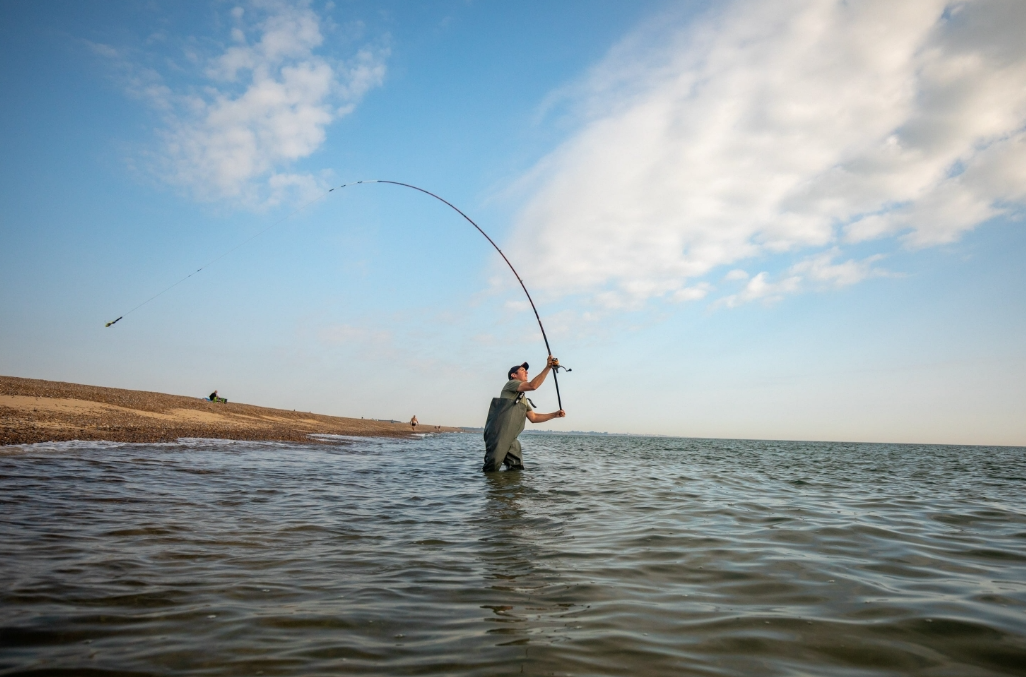
Drake Waterfowl Systems didn't come from fly fishing. It came from marshes — cold, pre-dawn, wet-boot-deep marshes where duck hunters stand motionless for hours waiting for a shot. That origin shapes everything about how this brand builds gear.
Drake was founded in 2002 and is based in Olive Branch, Mississippi. The brand has built a clear position in the women's wader market: waterfowl hunting , not trout streams. Ducks Unlimited named Drake the "market leader" in innovative clothing and waders for waterfowl hunters. That's a strong endorsement from the organization that defines the category.
The women's line is a real focus — not an afterthought. Drake offers women's-specific styles across waders, technical outerwear, and accessories. That said, detailed fit-engineering specs — hip cut angles, chest panel architecture, suspender load distribution — aren't documented at the same level you'll find from fly-fishing brands. Pull product sheets from Drake's dealer network. Or contact the brand at their Mississippi HQ. Don't assume pattern construction details without checking first.
What's clear: your customer hunts wetlands, not wade streams. Drake is the right fit.
Best Fit for This Brand
Use case: Duck hunting, marsh environments, cold-weather field conditions
Customer profile: Female waterfowl hunters who need gear built for the blind, not the river
B2B access: Drake runs an active dealer network and a Ducks Unlimited partnership channel
Building a women's hunting program — not a fly fishing program? Drake belongs on your shortlist.
Kuiu
Kuiu is a different kind of name on this list — and that difference is worth being honest about.
Jason Hairston founded Kuiu in 2011 out of a real frustration. The performance mountain hunting gear he wanted didn't exist in stores. So he built it himself. He sourced the best materials he could find and sold direct to customers. That cut out the traditional markup. That direct-to-consumer model still drives the brand today. You buy through kuiu.com — no dealer network involved.
The brand's strengths are clear and well-proven:
- Technical layering systems
- Ultralight pack gear
- Performance apparel built for extreme mountain conditions
Hunting elk at elevation in October? Kuiu has your back.
Women's waders, though, are a different question.
Right now, there's no confirmed public documentation of a Kuiu women's-specific wader line. No dedicated fit blocks. No inseam options. No hip-to-waist pattern engineering on record. No women's wader pricing, no sizing grid, and no fabric spec sheets show up through standard research channels.
That doesn't mean the product doesn't exist. It means you need to confirm this before building a sourcing decision around it. Call customer service at 1-855-367-5848 (Monday–Friday, 7:30 AM–4:00 PM PST). Ask about women's wader availability and how the fit is constructed.
Female hunters already familiar with Kuiu's technical apparel have good reason to take the brand seriously. But this is one case where doing your homework before purchase isn't optional — it's the whole job.
Sitka Gear
Sitka Gear is based in Bozeman, Montana — the same zip code as Simms — but these two brands solve very different problems. Simms builds for trout rivers. Sitka builds for marshes, flooded timber, and cold pre-dawn waterfowl blinds. That gap in environment shapes every design decision Sitka makes.
Sitka is now part of W. L. Gore's outdoor portfolio. That means GORE-TEX isn't a marketing add-on here — it's built into the supply chain. The flagship women's waterfowl wader, the Delta Zip Wader , features a full GORE-TEX laminate body. You also get LaCrosse Aeroform insulated boots (~1600g insulation) and a YKK waterproof front zipper. Price lands around $800–$1,000 . That puts it at the top of the waterfowl wader market.
Women's Fit: Where Sitka Gets It Right
GearJunkie testing flagged something specific about Sitka's fit: excess material removed without losing range of motion . That's a tough balance in a chest wader. The pattern puts hip and knee articulation first — tested through deep knee bends, high-knee raises, and seated positions. For female hunters pushing through marsh grass and climbing in and out of boats, that matters more than raw insulation ratings.
Sizing targets chest circumference at the fullest point first. Then waist and inseam get measured on their own. The upper body gives you layering room without feeling tight. That's a real design win for women adding insulated vests over the bust area in late-season cold.
Where the Gaps Are
Women's sizing covers XS–XXL on outerwear, with some short and tall variants on wader bottoms. Short-torso fit is the clear weak spot. Women under 5'4" often report bunching at the crotch and chest. The issue comes from inseam and torso length not grading at different rates. Plus-size options exist at XL/XXL, but the size range stops well short of what dedicated women's wader brands offer.
Some late-season hunters also find the boot insulation lacking next to the competition. Worth checking before you commit to the Delta Zip for hard-winter hunts.
Who This Is For
Female waterfowl hunters who put mobility, GORE-TEX durability, and all-day comfort first in wetland environments. This is not a fly-fishing wader.
For retailers : Sitka sells through authorized dealers with MAP enforcement and pre-season booking windows. In-season restocking on waders is tight. GORE-TEX capacity limits mean pre-booking is the most reliable way to secure solid inventory.
The CrossCurrent Zip GTX Wader ( $599–$749 , 4-layer GORE-TEX Pro shell) fills out the lineup for river use. You get reinforced lower legs and strong abrasion resistance. It's built for anglers who go out no matter what the forecast says.
Patagonia
Ventura, California, 1973. Yvon Chouinard built a company around a mission that reads more like a manifesto than a business plan: "We're in business to save our home planet." Fifty years later, that sentence still drives every material choice, every fishing apparel factory relationship, every product decision Patagonia makes — including what goes into its women's waders.
That context is real. Buying into Patagonia's women's fishing line means more than waterproofing. You're getting a supply chain that's over 90% Fair Trade Certified™, with more than 85,000 factory workers covered under those standards. You also get recycled face fabrics, PFC-free DWR treatments, and an environmental track record going back to 1994 — the year Patagonia converted its entire sportswear line to organic cotton before most outdoor brands even considered it.
What the Gear Does
The technical core of Patagonia's women's waders is the H2No Performance Standard — the brand's own waterproof/breathable membrane system. It comes in 2.5- and 3-layer builds, reaching 20,000mm hydrostatic head and 15,000+ g/m²/24h breathability in top configurations. Upper-tier models use GORE-TEX 3-layer construction with C-Knit backer — softer on skin, quieter in the blind or on the wade.
Lower-leg panels use heavier-denier face fabrics (120–200 denier range) built to take abuse from rocks and saltwater. Upper panels stay lighter to keep you moving. You'll also find contoured inseams and articulated knees — both are standard in Patagonia's women's technical line, in line with the brand's "build the best product" value.
Price sits at $400–$650 , placing these in the mid-premium tier. Sizing runs XS–XL with short, regular, and long inseam options. Plus-size coverage has grown in recent seasons, though it still doesn't match what dedicated women's wader specialists carry.
Who These Waders Fit
Patagonia women's waders work best for saltwater fly fishing, coastal wading, and cold-to-temperate river systems . The durability-first build dries slower than ultralight options — worth knowing before you commit in warm-weather conditions.
For B2B retailers : Patagonia moves product through a tight specialty fishing wader wholesale network. Environmental storytelling comes built into the brand's retail assets — co-op imagery, Fair Trade campaign materials, POS. But the relationship has clear terms. Supply-chain alignment and premium pricing are non-negotiable. This brand skips OEM. It skips private label. And it has no interest in partners who treat sustainability as a box to check.
AFTCO Manufacturing Corp.
Santa Ana, California. Family-owned since 1958. That kind of tenure in the fishing industry doesn't happen by accident.
AFTCO — the American Fishing Tackle Company — earned its reputation on precision saltwater hardware: roller guides, rod butts, components that serious offshore anglers still call out by name. The apparel line came later, but it runs on the same thinking. Build it durable. Build it to last. Their sustainability pledge says it straight: product longevity over disposability, even when that drives up costs.
The women's line fits inside that same framework. AFTCO markets women's fishing apparel aimed at inshore and offshore anglers — lightweight, quick-dry, UV-protective technical fabrics, plus outerwear built for saltwater conditions. The brand holds a strong position across men's, women's, and youth fishing clothing.
One honest caveat worth noting: AFTCO's confirmed women's strengths sit in performance apparel — shirts, shorts, outerwear. Dedicated chest waders are a different story. Women's-specific wader fit data, sizing charts, and technical construction specs haven't been confirmed through public sources.
For saltwater-focused retailers putting together a women's coastal fishing program, AFTCO is a strong pick for technical apparel. For waders, check current product availability at aftco.com or call (877) 489-4278 before you build sourcing decisions around it.
Fishpond
Fishpond holds a distinction no other fly-fishing brand can claim: it was the first fly-fishing company to earn certified B Corporation status . That's not a marketing tagline. A third-party auditor verified this status. It holds brands accountable for social and environmental performance — and that accountability is written into the legal structure of the business.
The brand is based in Colorado. Its reputation was built on sustainable, travel-ready pack and wading systems — chest packs, hip packs, rod cases, and wading staff accessories built for anglers who hike to water. Fishpond leads with gear, not apparel. That difference is worth noting as you look at the women's wader market.
What to Know Before You Buy
Here's the honest picture: Fishpond's current product line does not include verified women's-specific wader models, dedicated fit blocks, or technical patterning details for female anglers. None of this appears in their documented product range. So for a women's wader program, this brand won't complete that search.
What Fishpond does offer is a solid fit for the eco-conscious female angler who puts sustainability first without sacrificing function. This is especially true for hike-in, minimalist, and travel-focused fly fishing setups.
For retailers:
- Contact Fishpond before building any sourcing plan around their women's waders
- Confirm current availability and fit specs straight from the brand
- Don't assume product depth that the brand hasn't confirmed on record
Conclusion
A wader that fits feels different from one that fights you all day. The difference comes down to one thing: did a woman help design it — or did she just pose in the marketing photo?
The nine brands covered here did the real work. They rethought hip curves, adjusted torso ratios, and built women's chest waders that move with a female body. Some excel at fly fishing versatility. Others dominate the waterfowl blind. A few are building the most inclusive size ranges the industry has ever seen — petite through plus, no exceptions.
Retailers building a sourcing strategy: bookmark the comparison table. Start with Simms and Orvis for proven volume. Female anglers tired of fighting ill-fitting gear: trust your body. A wader that needs "breaking in" around your hips was never built for you to begin with.
Buy for your body. Not for their sample size.