Your team's championship shirts arrive. By week three on the water, the logo's cracking and fading under the sun.
If you're sourcing custom fishing shirts for 2026, the sublimation vs screen printing decision determines whether your apparel survives saltwater, sunscreen, and sweat through the whole season, or ends up in the trash by mid-season.
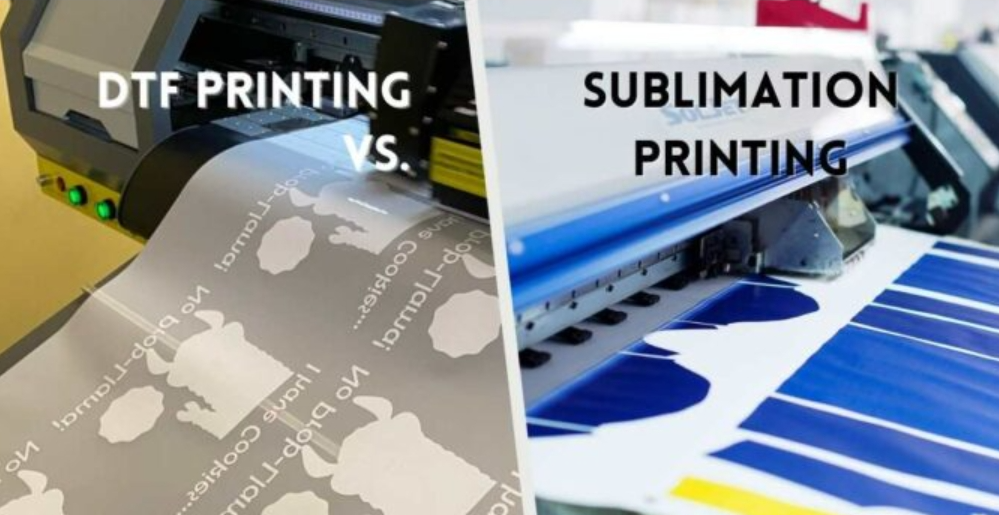
These two printing methods behave differently on performance fabrics. Sublimation melts ink into moisture-wicking polyester fibers. Screen printing lays pigment on top. That difference matters when you're chasing all-over prints, UV protection, or breathability for long sleeve fishing shirts.
We're breaking down which technique wins for durability, cost, and comfort.
Sublimation Printing For Fishing Shirts: How It Works and Its Core Advantages
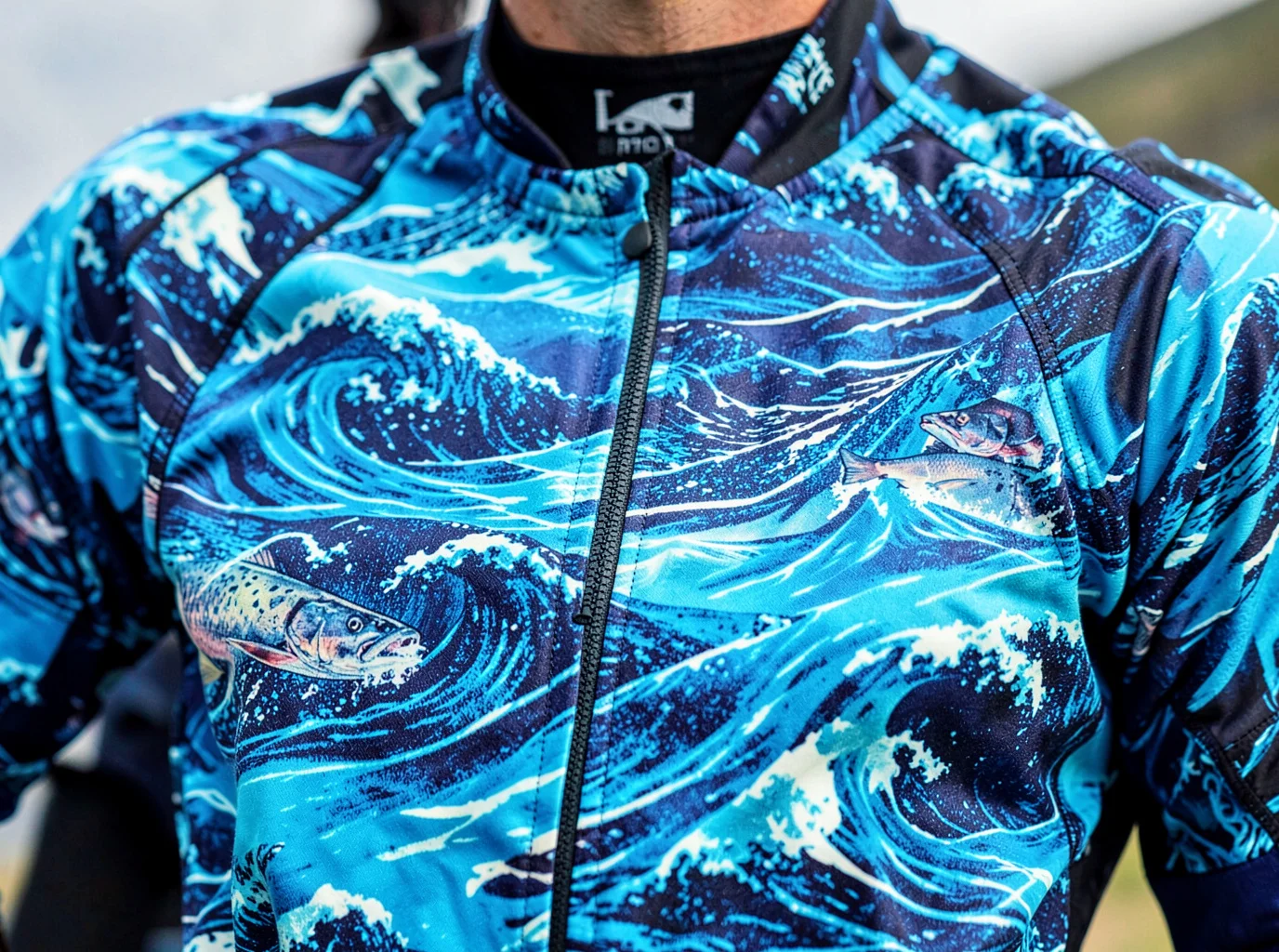
You notice the difference the second you pull a sublimated shirt over your head. Heat and pressure turn the dye from a solid straight into a gas, and that gas bonds directly with polyester fibers. The design doesn't sit on top of your shirt—it becomes part of the fabric itself. Screen printing builds a layer of ink on the surface instead of dyeing from within.
Dye sublimation performs best on 100% polyester and high-poly quick-dry blends. Most custom Performance Fishing Shirts on the market list specs like 100% Polyester, Anti-UV, Breathable, Quick Dry—exactly the combo you want for boat decks, tournament days, or long hours under open sky.
The sun protection is real. fishing apparel built for sublimation carries UPF50+ or UPF40+ ratings, giving you real coverage during peak sun hours. The moisture management works the same way: sublimated fabric dries in 12–15 minutes, compared to 35–45 minutes for standard polyester and 80–90 minutes for cotton. Sweat wicks away in under 3 seconds, versus 5–10 seconds on regular poly.
Salt spray, sunscreen, sweat—sublimated prints shrug off all three without cracking or peeling. One Custom Sublimation and Screen Printing Fishing Shirts supplier's testing showed color fastness staying at Grade 4 or higher after 200 hours of UV exposure.
Three advantages define this method. Full-color gradients handle photorealistic ocean scenes, fish species, and sponsor logos with ease. All-over printing wraps graphics across sleeves, shoulders, and full panels—ideal for tournament team uniforms needing continuous, seamless branding. And because the dye sits inside the fiber rather than on top, there's zero hand-feel, keeping long sleeve fishing shirts light and breathable all day.
Think wave patterns, scale textures, camo that mimics water reflections, or a marlin stretched across both sleeves. Sublimation makes that kind of detail possible without weighing the fabric down.
Screen Printing Fishing Shirts: How It Works and Where It's Used
Screen printing works nothing like sublimation. Instead of dyeing the fiber, you're pushing ink through a mesh screen with a squeegee, one screen per color. That's why screen-printed designs come out as flat, bold color blocks rather than smooth gradients. Sublimation ink bonds inside the polyester fibers. Screen ink sits on the surface.
That surface application is why screen printing works best with bold spot colors—team names, sponsor logos, jersey numbers, simple slogans, clean outlines. Most shops recommend staying at 1–3 colors for the best economics; 3–4 colors still runs efficiently.
Fabric choice matters more than people expect. Screen printing performs best on higher-cotton blends—think 50/50 or 60/40 cotton-poly. That mix gives you a softer hand-feel and stronger ink adhesion. You also want to pre-shrink the fabric. Skip it, and you risk 3–5% shrinkage after washing, which distorts your logo.
Durability holds up well through washing, but saltwater and constant sun exposure introduce real risk: ink aging, adhesion loss, cracking. High cotton content, proper curing, and pre-shrunk fabric all cut that risk.
Where Screen Printing Wins
Tournament team uniforms and club apparel
Sponsor logo placement, dockside crew shirts
Bulk custom fishing apparel orders and promotional giveaways
Simple, durable designs for everyday lake or coastal wear
Where It Falls Short
Photo-realistic gradients, complex multi-color art, small frequent-change orders, and ultra-lightweight stretch performance fabrics all struggle here.
Cost scales with color count. Each additional color means another screen, another setup fee—typically $12–$30 per color, sometimes $25–$75. Adding a second color often bumps per-unit price by $0.25–$0.75+. Low-volume orders feel this hardest. For 36–49 pieces you might pay an extra $40/color, but once you hit 100+ pieces the screen fees often drop.
Which Printing Method Lasts Longer: A Real-World Durability Comparison for Fishing Apparel
Numbers tell the real story here. Put sublimation and screen printing side by side, wash them fifty times each, and the gap becomes obvious fast.
Sublimated fishing shirts survive 100+ washes with no visible fading. The dye lives inside the polyester fiber, so there's no surface layer to crack or peel. Suppliers describe it as lasting the lifetime of the fabric itself—roughly 2–4 seasons of regular outdoor use.
Screen-printed shirts typically hold up for 50–100 washes, depending on how you care for them. Gentle washing extends life. But friction and time still work against plastisol ink. Cracking, flaking, and dulling show up eventually, especially on shirts that see saltwater and constant sun.
That saltwater factor matters more than most buyers realize. Sublimation ink lives inside the fiber, so beach sand, sea spray, and UV rays don't touch a surface film that isn't there. Screen printing has that film, and it's the first thing to age when your shirt hits saltwater week after week.
Breathability Takes A Hit With Screen Printing
Sublimation barely touches your moisture-wicking performance. No thick coating means air still moves through the fabric the way it's supposed to.
Screen printing is different. Standard plastisol ink forms a coating that seals fabric pores wherever it lands. If you're set on screen printing, keep coverage under 30–40% of the shirt, or switch to water-based or discharge inks. Both breathe better than standard plastisol.
Durability Factor | Sublimation | Screen Printing |
|---|---|---|
Wash Cycles | 100+ | 50–100 |
Cracking Risk | Minimal | Increases over time |
Saltwater Resistance | Strong | Moderate |
Breathability Impact | None | Noticeable on large designs |
For full-coverage tournament shirts and long sleeve fishing shirts headed offshore, sublimation wins the durability test outright.
Custom Fishing Shirts Fabric Types: How Fabric Choice Determines the Printing Method
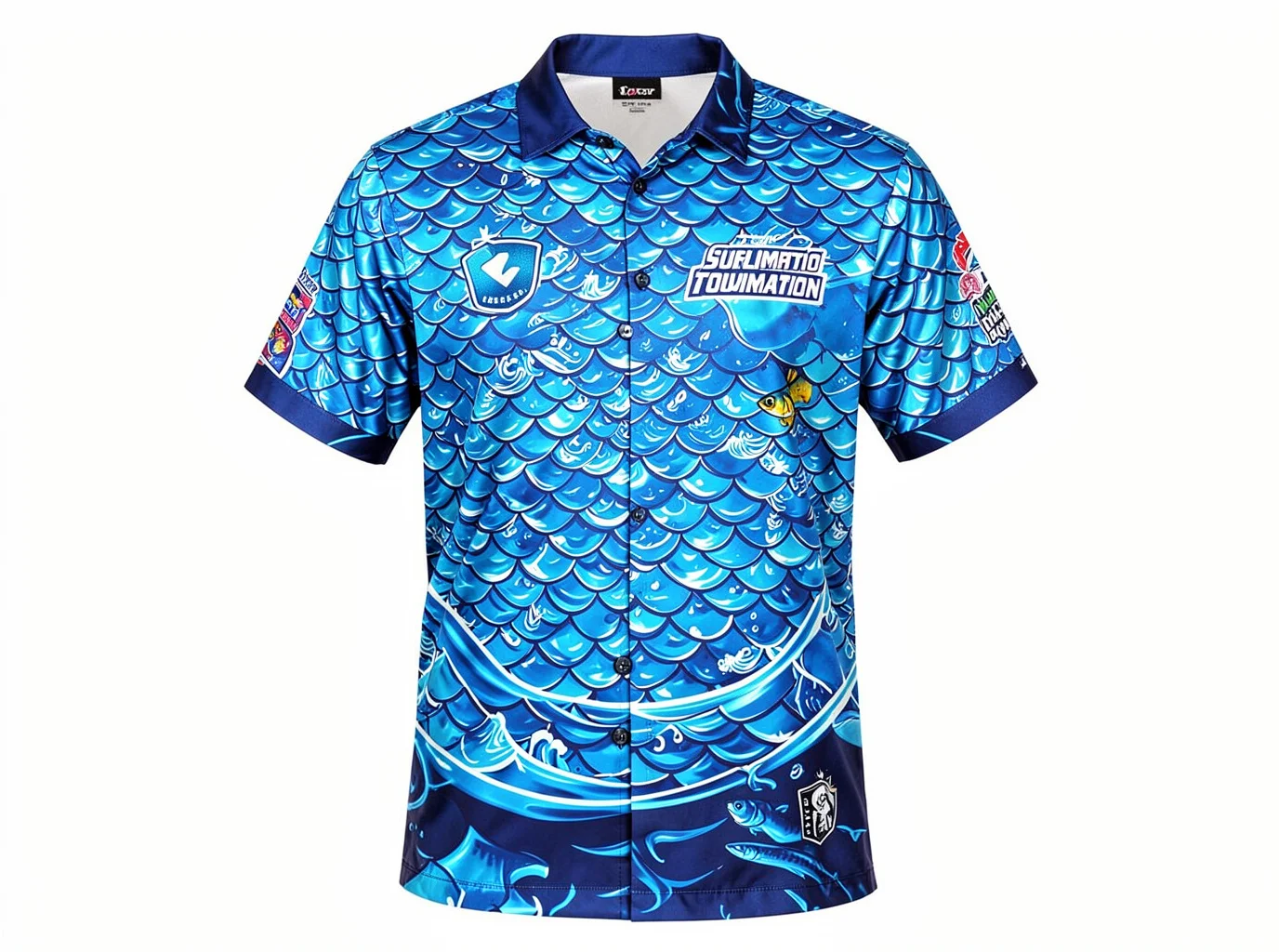
The fabric decides the printing method. Get this wrong and no amount of clever design saves the shirt.
100% polyester and performance blends work with sublimation. The ink is transparent, soaks into the fiber, and leaves breathability untouched. Most custom performance fishing shirts built this way run around 160 GSM, layering moisture-wicking with UPF50+ or UPF40+ protection. That is exactly what long sleeve custom fishing shirts need for sun-heavy days on the water.
Cotton and cotton-poly blends flip the recommendation. Sublimation struggles to bond with cotton fibers, so screen printing or DTF takes over. The industry rule: 100% cotton favors screen printing, pure polyester favors sublimation, and blends sit in between, usually defaulting to DTF or screen.
Color depth matters too. Sublimation loses impact on black, navy, or hunter green. The design fades into the fabric instead of popping. Screen printing solves that with opaque white underbase inks, giving dark shirts stronger contrast. Light polyester is where sublimation's photo-real gradients and camo patterns shine.
Quick fabric-to-print matchup:
Fabric Type | Best Printing Method |
|---|---|
100% polyester, UPF50+, quick-dry | Sublimation |
100% cotton, dark colors | Screen printing |
Poly-cotton blend, multi-color small logos | DTF or screen printing |
Left-chest logo, caps | Embroidery |
Sublimation Printing Cost Vs Screen Printing Cost Per Shirt: Budget and MOQ Comparison
The better choice depends on how many shirts you're ordering. Run the numbers and you'll see that.
Screen printing punishes small orders. A 12–24 piece run costs $8–$15 per fishing shirt. Push past 250 pieces and that drops to $2–$4. Hit 500+ and you're looking at $0.50–$2.00 per shirt. Setup fees add $15–$30 per color, so a 4-color logo costs more to prep than a 1-color design.
Sublimation ink pricing stays flatter. Material costs alone run $2–$4 per piece regardless of quantity. Full-garment quotes land around $6.50–$9.00 for 50–100 pieces, dropping to $3.50–$9.00 at 200–500 pieces. Design setup runs $30–$60 total. Complexity barely moves the needle because sublimation pricing depends on coverage area, not color count.
Where The Break-Even Point Sits
Fifty pieces is where screen printing starts pulling ahead, especially for 1–3 color logos. Cross 100 pieces and screen printing becomes the clear winner for bulk custom fishing apparel . One market example: 500 pieces at 3 colors ran ₹220–₹320 per fishing shirt screen printed, versus ₹380–₹550 for the same volume in full-color sublimation.
Small orders flip the logic. Suppliers like TeamGear.ca, ThreadLogic, and LeelineCustom now offer no-minimum custom fishing shirts, letting solo anglers or small charter crews order single pieces without eating setup fees.
For 1–20 pieces, use sublimation or no-minimum digital printing. For 50–100 pieces with a simple logo, screen printing works. For 100–500+ pieces with a uniform design, screen printing is the cheaper option.
2026 Trend Signals: Technology Trends in the Fishing Apparel Customization Industry
Full sublimation is the language suppliers use to sell fishing apparel now. Walk through any product page for tournament teams, guides, or private label clients, and they all promise prints that won't peel, crack, or fade. The marketing has shifted from 'pretty pattern' to 'permanently integrated into the fabric.' Buyers now care about color that survives sun, salt, and sweat. Color that only looks good on day one is no longer enough.
MOQs are loosening up too. Full-sublimation tournament jerseys now start at 25–50 pieces, with some long-sleeve runs dipping to 20–25 pieces. Heavier full-panel designs still require 200–300+ pieces. Pricing ranges from $22 to $42 per shirt. Small batches of 20–25 pieces land near $22–34. Orders of 25–50 pieces climb to $32–42. Orders past 50 pieces settle back to $28–35.
Breathability rarely stands alone anymore. It is bundled with UPF50+, quick-dry, and moisture-wicking as one promise. Teams also want full front-back-sleeve coverage with sponsor panels and roster numbers baked into the design.
How To Choose Between Sublimation And Screen Printing: A Scenario-Based Decision Guide
Consider design complexity, fabric type, order size, and budget. Walk through them in order and the right printing method reveals itself.
Design complexity comes first. Full-coverage art, gradients, photo-realistic scenes, and multiple sponsor logos belong to sublimation. It handles unlimited colors and seam-to-seam graphics without trouble. Simple 1–3 color team logos or clean spot colors? Screen printing does that job with more opacity and less cost.
Fabric type comes next. Polyester content above 65–80% (ideally 90–100%) pairs naturally with sublimation ink. Cotton and cotton-heavy blends are better for screen ink, since it grips cotton fibers better than sublimation ever will.
Order size matters too. Small runs with personalized names or rotating designs favor sublimation since there's no per-color screen setup slowing things down. Large batches of one simple design tip the scale toward screen printing, especially past 100 pieces.
Budget closes the loop. Tight budget plus simple design plus high volume points to screen printing. More budget flexibility plus a focus on durability or performance fabric points back to sublimation.
Match The Method To Your Fishing Shirt Use Case
Tournament team shirts: sublimation wins by default. Boat names, sponsor panels, and roster numbers all fit onto UV-resistant, saltwater-tough performance polyester.
UV exposure, constant saltwater, repeated dunking: sublimation again. Ink bonded into the fiber doesn't crack under those conditions.
Personalized men's fishing shirts: complex art or fish illustrations call for sublimation; a name and single-color logo call for screen printing.
Bulk custom fishing apparel, simple cotton designs: screen printing keeps cost per shirt low at scale.
Runfishapparel Custom Solution: From Comparison to Delivery — Showcasing Our Custom Service
Numbers only tell half the story. What matters is who builds the shirt for you.
Runfishapparel covers fishing shirts, sun hoodies, jerseys, polos, waders, and insulated ice-fishing gear, all built on UPF50+, quick-dry, cooling, and stretch fabrics. Logo options span embroidery, screen print, heat transfer, woven patch, and silicone print, with multi-position placement and precise color matching.
You can choose catalog-based custom (add logo, swap color, adjust size; 100 pcs/style minimum) or a fully custom design (tech pack → fabric sourcing → sample → approval → bulk).
Samples start from 1 piece, and that sample fee credits toward your bulk fishing shirts order. Test the fit first, then scale with confidence.
Conclusion
The sublimation vs screen printing debate comes down to which technique wins for your boat, your team, and your brand. If you're chasing vibrant, all-over designs on moisture-wicking, breathable fabric, dye sublimation printing is your best friend. If you need bold, budget-friendly logos on cotton blends, screen printing's proven durability still holds up. The right technique matches the fabric, the fit, and how hard you'll actually use these shirts on the water. That's exactly where we come in. At RunfishApparel , we help you turn this decision into custom performance fishing shirts you'll genuinely love wearing—season after season, catch after catch.