Walk into any fly shop as a beginner and you'll leave more confused than when you walked in. Rods stacked by weight you don't understand, reels priced anywhere from $40 to $600, and a salesperson pushing gear that fits their commission more than your budget. Choosing custom fly fishing gear for beginners doesn't have to be complicated if you follow a logic most guides skip.
We're breaking down what to buy based on three real scenarios—creek trout fishing, lake bass fishing, and tight-budget setups—covering everything from your first fly rod and reel combo to which fly fishing waders are worth the money. By the end, you'll have a priority-ranked shopping list.
Determine Your Fishing Scenario First
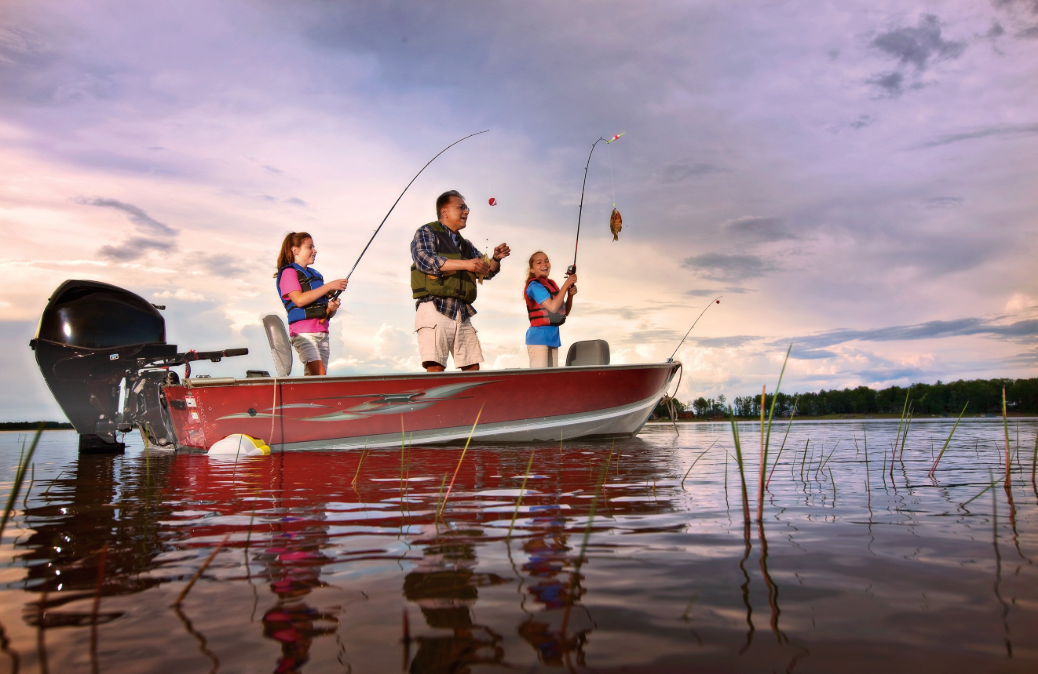
Your water type, target species, and budget decide everything else you buy. Nail these down first, and every other decision—reel size, line weight, even which flies to carry—gets easier.
Water type comes in three forms. Small streams run 3–8 feet wide with tight banks and short casts. Medium rivers and lake banks open up to typical public access spots. Large rivers and broad lakes mean bigger water, longer casts, and often wind or current working against you.
Target species depends on the water. Creeks hold small trout and panfish—bluegill, perch, the occasional 12-inch brown. Medium water gives you trout, whitefish, smallmouth bass, walleye. Big water holds larger trout, salmon runs, even light saltwater species like schoolie stripers.
Budget sets your ceiling. A quality beginner fly rod and reel combo—rod, reel, line, backing, leader—typically runs $150–$350 . Brands often work with a fly fishing apparel manufacturer to develop durable gear collections for different fishing environments.Compare that to conventional spinning gear at $60–$150, and "buy once, cry once" starts to make sense in fly fishing. Cheap setups fight you on every cast; mid-range ones last multiple seasons.
Small stream: 2–4 wt rod
Medium river/lake: 5 wt rod (the universal choice)
Large water: 6–7 wt rod
Rod Selection: Weight, Length, and Action Demystified
Rod weight is a number system—2 through 12—that tells you how much line the rod is built to cast. A 5 wt is the sweet spot for most beginners. It's flexible enough for delicate presentations, strong enough for mid-size fish, and works well on creeks, rivers, and ponds. Think of 4–5 wt as your core beginner zone.
If you're only ever fishing tight mountain streams for brook trout, drop to 2–3 wt. Lighter line, softer rod, better feel on small fish in small water. On the flip side, if wind is a constant fight or you're targeting bigger species, 6–7 wt gives you the backbone to punch through gusts and turn larger fish. Most anglers eventually own a second rod in this range anyway.
A 9-foot rod is the industry standard—it casts farther, mends line better, and handles most open water without issue. For brushy, overgrown creeks, an 8'6" rod trims just enough length to dodge overhanging branches. Go under 8 feet only if you're constantly ducking under low canopy on tiny streams.
Action describes where the rod bends and how fast it springs back. Medium and medium-fast action rods flex through the upper half—forgiving timing, easier to learn on. Fast action rods bend mostly in the top third; they're powerful but punish sloppy casting strokes. Slow action rods flex deep into the blank—delicate, but too soft to be your one do-it-all rod.
Material-wise, stick with 4-piece graphite or carbon fiber. It's the standard because it packs down small, travels easily, and dominates entry-to-mid-level price points of fly fishing apparel.
For one rod that does it all, go with a 5 wt, 9 feet, medium-fast, 4-piece graphite. Expect to pay $100–$250 for the rod alone, or $150–$350 for a combo kit that includes reel and line.
Reel Selection: Size, Drag, and What Not to Overspend On
Most beginners waste the most money on the reel in their entire fly fishing setup. A fly reel's job on trout water is deceptively simple: hold your line and backing, nothing more. Yet Fly Fishing Gear manufacturers price reels from $30 to $600 as if drag performance were the deciding factor for every angler.
Matching Reel Size to Your 5wt Rod
Pair your 5 wt rod with a 4/5 or 5/6 fly reel. This is the standard beginner match. You're looking for capacity around 75–100 yards of 20 lb Dacron backing plus a full WF-5- f fly line. Check the spool chart before buying—if a reel lists far less than 75 yards for that combo, it's undersized. Anything over 150 yards means you're holding a 6/7 or 7/8 size you don't need.
Drag: The Number Nobody Needs
Trout fishing rarely uses drag in a meaningful way. Most fights are controlled by rod angle and hand-stripping line, not the reel's braking system. The math backs this up: drag should sit at 20–30% of your leader strength. With a 5 lb tippet, that's roughly 1.25 lb of drag—nowhere close to the 8–12 lb max most reels advertise. Even a $50 reel's drag system will outperform what you'll ever ask of it on 4–6 lb tippet.
Where to Spend, Where to Save
Skip machined aluminum reels priced $150–$400 with sealed drags and high bearing counts. Cast aluminum or graphite composite reels in the $30–60 range deliver everything a freshwater trout setup needs: adequate capacity, smooth disc drag, and balanced weight. Save the upgrade budget for when you're chasing bigger species or fishing saltwater environments where sealed drag systems actually matter.
The Complete Line System: Backing, Fly Line, Leader, and Tippet
Four separate pieces connect your reel to the fish. Beginners get the priority backwards when they drop cash on the reel while treating the line system as an afterthought.
Backing fills your spool and gives you reserve line if a fish runs past your 90-foot fly line. Use 20–30 lb Dacron , 75–100 yards. Most beginner combos come pre-spooled with this, so check before buying more.
Fly line is where your money should go. Choose Weight-Forward Floating (WF-F) . It covers 90–95% of beginner trout scenarios. Match it exactly to your rod: 5 wt rod, 5 wt line, labeled "WF5F." A mismatched line kills your casting before you even start. Spend more here than on your reel. Line taper and coating control loop stability and floatation. A budget reel with premium line outperforms a premium reel with cheap line every time.
Leader tapers from your thick fly line down to thin tippet. Carry a 9 ft 4X nylon leader as your all-purpose choice, with a 5X as backup for smaller flies or spooky fish.
Tippet is your consumable, the part you replace, not the leader itself. Stock 4X and 5X nylon , adding 2–3 feet per leader before you cut into the taper. Quick rule: hook size ÷ 3 ≈ tippet X-size. Size 12 fly needs 4X; size 18 needs 6X.
Minimal starter checklist: 100 yd 20 lb Dacron backing, one WF5F line, two 9 ft 4X leaders, two 9 ft 5X leaders, one spool each of 4X and 5X tippet. That's your entire line system, done right, done once.
Runfishapparel.com — Performance Fishing Apparel for Serious Anglers
Six to eight hours. That's how long most anglers spend in direct sun on a typical day out, and it's exactly the gap most beginner gear guides ignore. You'll read plenty about rod weight and reel drag, but almost nothing about the fabric touching your skin for a third of your day.
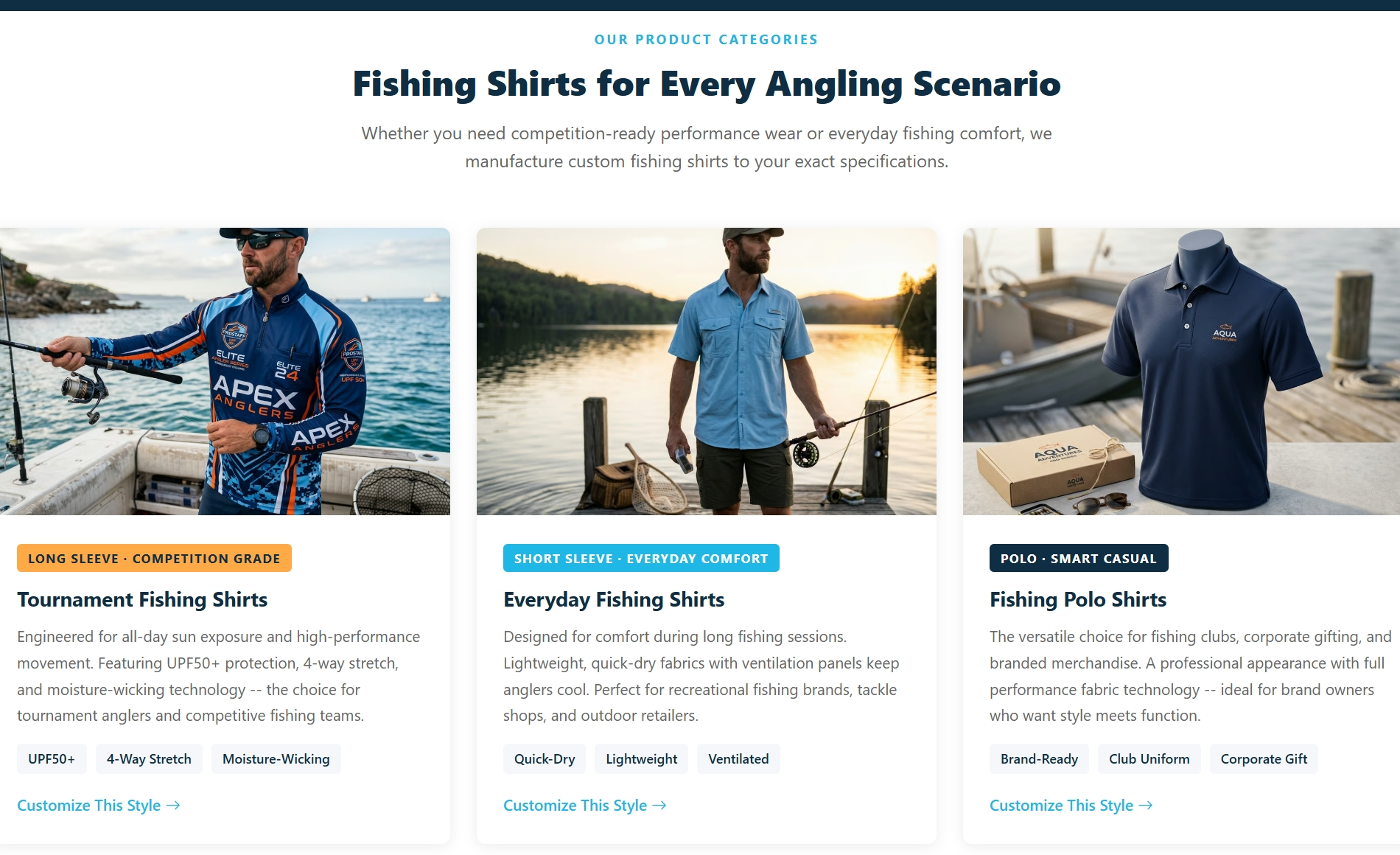
runfishapparel.com fills that gap. Since 2009, they've built fishing-only performance apparel out of an 18,000 sqm facility in Guangzhou running 12 dedicated production lines. No general sportswear, no shortcuts.
Why the fabric matters more than you think
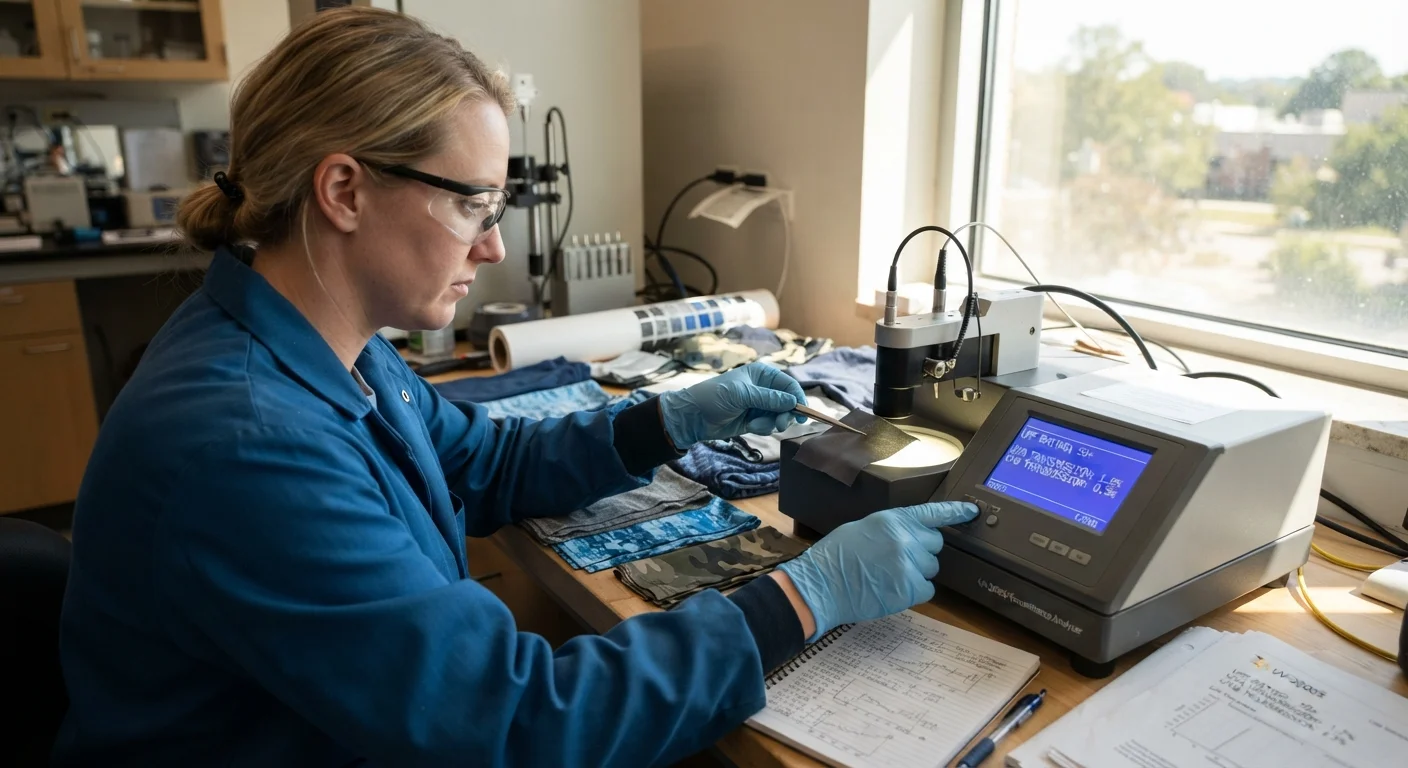
Generic sun shirts lose their UV protection after 10–20 washes. Runfish's UPF50+ (up to UPF58) fabric holds ≥98% UV block for 50+ wash cycles, often the life of the garment. That's the difference between gear that protects you all season versus something that stops working by August.
Their quick-dry fabric hits 85% dry in under 15 minutes. Cotton takes 60–90. Combined with 4-way stretch for casting range, this is the layer beginners underestimate until they're sunburned on day two.
Waders, Wading Boots, and Footwear Safety
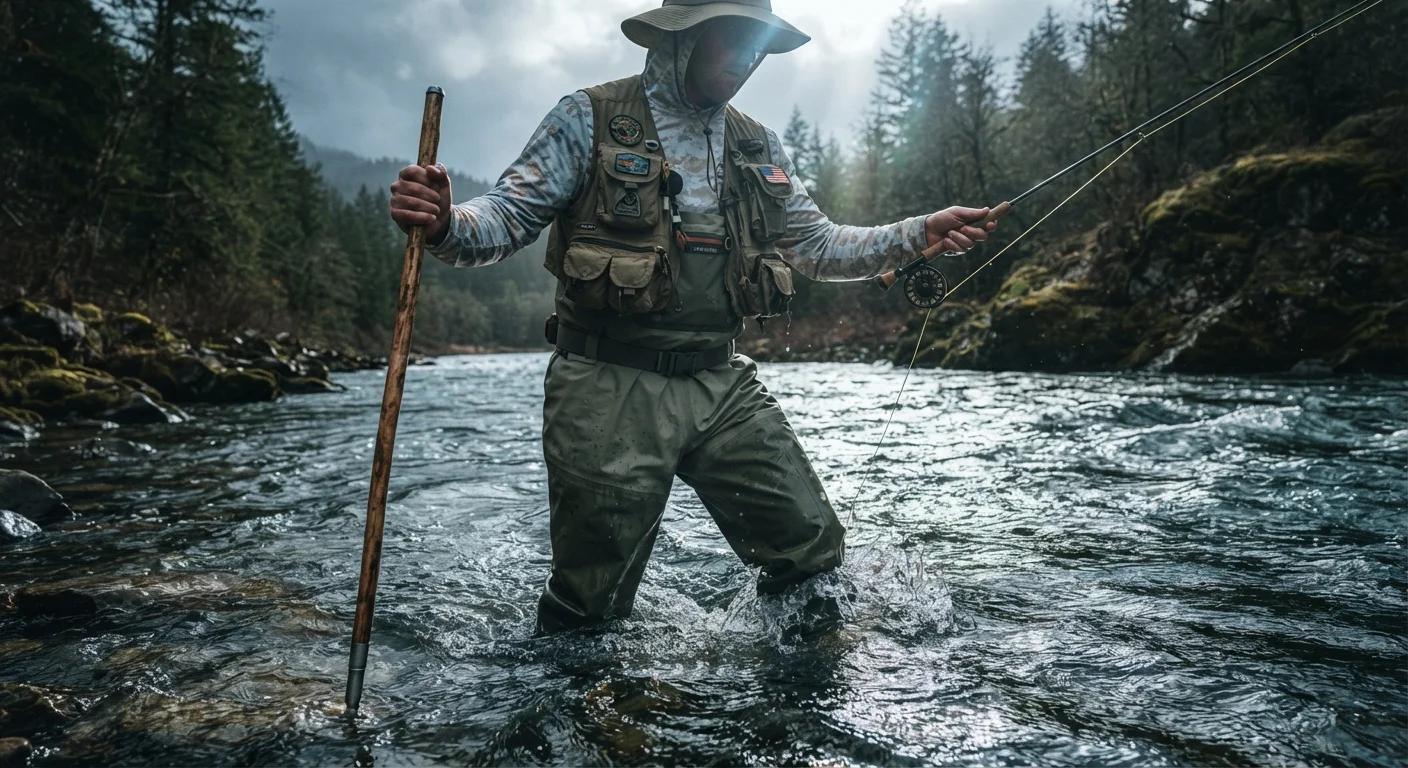
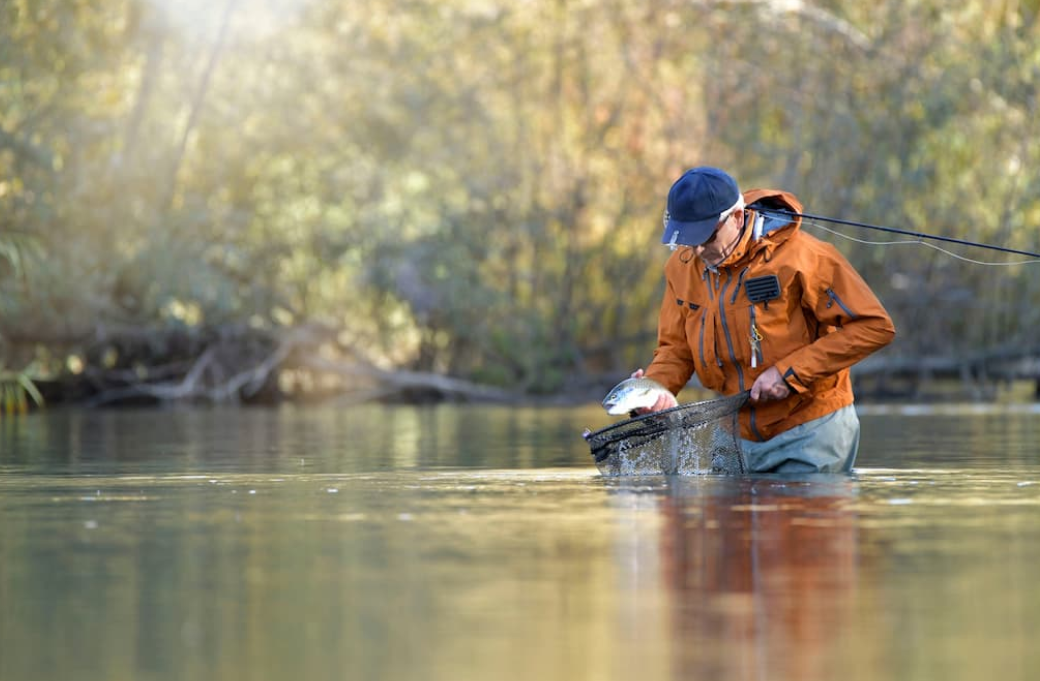
Drowning is the leading cause of fly fishing fatalities, and flooded waders are almost always the reason. Cutting corners here costs more than money.
Waders: Breathable vs. Neoprene
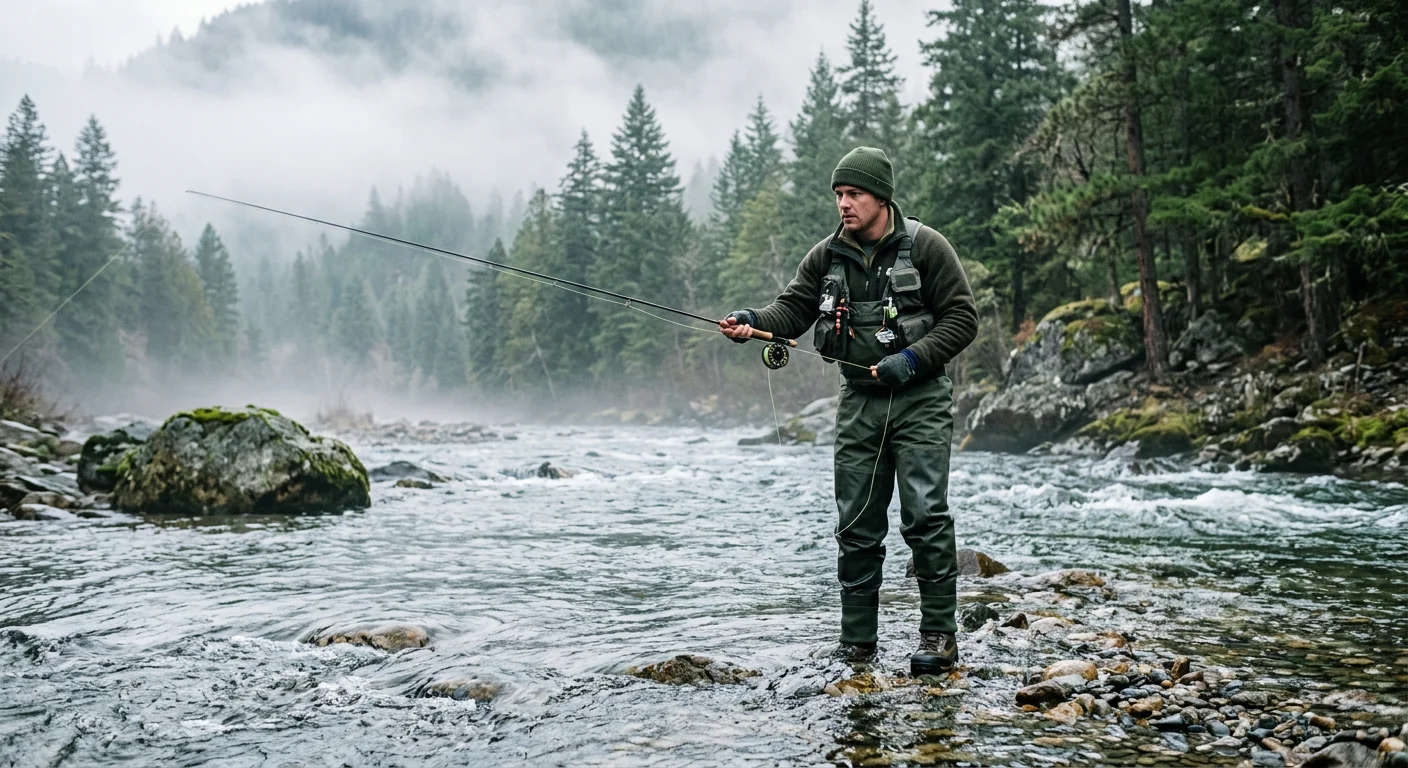
Breathable waders (Gore-Tex or similar) cover three seasons. Entry-level chest waders run $80–$200. Pair them with moisture-wicking base layers (never cotton) and add insulation as needed. Neoprene waders trade breathability for warmth. They're built for cold-water winter fishing, often cheaper than high-end breathable models, but too hot for summer creek days.
Stocking-Foot vs. Boot-Foot
Stocking-foot waders pair with separate wading boots . You get better ankle support on uneven riverbeds. Boot-foot waders have the boot built in. They're simpler, but ankle stability is weaker. Either way, buy boots one full size up from your street shoe size. Neoprene socks and thick wool socks eat up room fast.
Sole Choice Matters
Felt soles grip algae-covered rock best, but they're banned in Yellowstone, Alaska, and multiple states for spreading invasive species. Rubber soles with studs are the safer default—most lodges now require them. Flat or worn treads are the single most-repeated "don't" in every wader safety manual. Never buy boots without aggressive tread.
Always Wear a Wading Belt
Always wear a wading belt. If you fall, it traps air and stops your waders from flooding instantly. Some anglers double up with two belts. If you do go in, tuck your knees to your chest, roll onto your back, and float feet-first downstream until you reach shallow water.
Depth Rule
Never wade above waist height. If you're alone, stay at mid-thigh max.
Budget Move
Skip full waders early on. In warm weather, shallow water, quick-dry pants plus grippy wading sandals cover you fine. Put your budget into footwear traction first, waders later.
Essential Clothing Layers for a Full Day on the Water
Three layers handle almost every condition you’ll fish in. Skip any one and you’re either freezing, sunburned, or soaked by mid-morning.
Layer 1 (base): Merino wool or polypropylene against skin. Cotton is banned from this list entirely. It traps moisture, stays wet, and pulls heat from your body all day long.
Layer 2 (sun protection): A UPF-rated long-sleeve shirt or rash guard. Cloud cover doesn’t excuse this layer. Water reflects UV back up at you, so overcast days still burn exposed skin.
Layer 3 (shell): A waterproof, windproof, breathable jacket. Get one with a hood if you’re fishing exposed water. The hood should fit over your hat, not fight it.
Headwear and eyes round out the system. A wide-brim boonie hat with a dark underside cuts glare off the water. Polarized sunglasses in brown, amber, or gray handle bright conditions; copper lenses work better at dawn and dusk. Both also protect your eyes from errant hooks on a bad cast.
Hands: Fingerless sun gloves if you’re casting for hours straight.
One rule overrides everything: dress for water temperature, not air temperature. A fly fishing vest layered over this system gives you storage without bulk. But it’s the three layers underneath that keep you fishing past hour three instead of heading back to the truck.
Must-Have Accessories: Tools, Storage, and Flies
Twelve flies won't cover you. Twenty-four will.
Tools You'll Use
Skip the nail knot altogether. Pre-looped leaders paired with a loop connector tool cut changeover time to under 30 seconds—no knot tying required streamside. You still need three tools on a zinger:
Forceps/hemostats (5–6 in, locking). You'll use them to remove hooks, crimp barbs, and pinch split shot. Loon Outdoors Rogue Quick Draw runs $25–30. Eagle Claw's budget version covers the same job for $8–12.
Nippers cut 2X–6X tippet cleanly. Simms Freestone at $15–20 is plenty for a beginner.
Strike indicators : You'll carry 6–10 in mixed sizes, ¼–¾ in foam, with a split shot assortment sized #4–BB for depth control.
Floatant gel and powder desiccant round out the kit. One treats dries; the other revives them mid-fight.
Storage: Vest vs. Pack
A traditional vest gives you 8–15 pockets and a back D-ring for your net. It holds 2–4 fly boxes comfortably. A chest or sling pack trades pocket count for less bulk and fits 2–3 boxes with external tool docks. Either way, get one waterproof fly box with foam slits, sized for 100–150 flies.
Your Fly Box
Stock 18–20 flies. Elk Hair Caddis and Adams in #14–18, 6–8 total, for dries. Pheasant Tail and Hare's Ear in #12–16, 6–8 total, for nymphs. Woolly Bugger in black or olive, #8–10, 2–4 total, for streamers. Buy a pre-packed starter assortment. Shops price of custom fly fishing apparel these 10–30% cheaper than singles, and you skip guessing at pattern coverage.
Equipment Priority Buying List for Budget-Limited Beginners
A complete, functional fly fishing setup costs $242. Fly shops love to quote $500+, but you don't need to spend that. Here's the tiered breakdown that gets you fishing without wasting a dollar.
Tier 1: Buy This First (~$242)
9' 5-wt rod/reel/line combo: $150 (Redington, Echo, or Orvis Encounter-level kits)
Leader + tippet (1× 9ft 4X leader, 2× spools 4X/5X): $15
Fly box + 16 flies: $22 (pre-packed beats buying singles)
Polarized sunglasses: $25 (amber or copper lenses, UV400)
UPF50+ sun shirt: $30
This covers every fly fishing budget setup essential. Nothing here is skippable.
Tier 2: Add When Funds Allow (~$120–180)
Wading boots come first: $80–120, rubber sole, studs if your water runs slick. Traction protects more trips than any other gear.
Waders come second. $90–150 for breathable stocking-foot models. Wet-wade in warm months to delay this purchase entirely.
Vest or chest pack last: $35–60.
Tier 3: Skip This Season
Premium sealed-drag reels ($250+), second rods, landing nets, wading staffs: none of these matter until your fishing style outgrows Tier 1 and 2. Save the money.
Conclusion
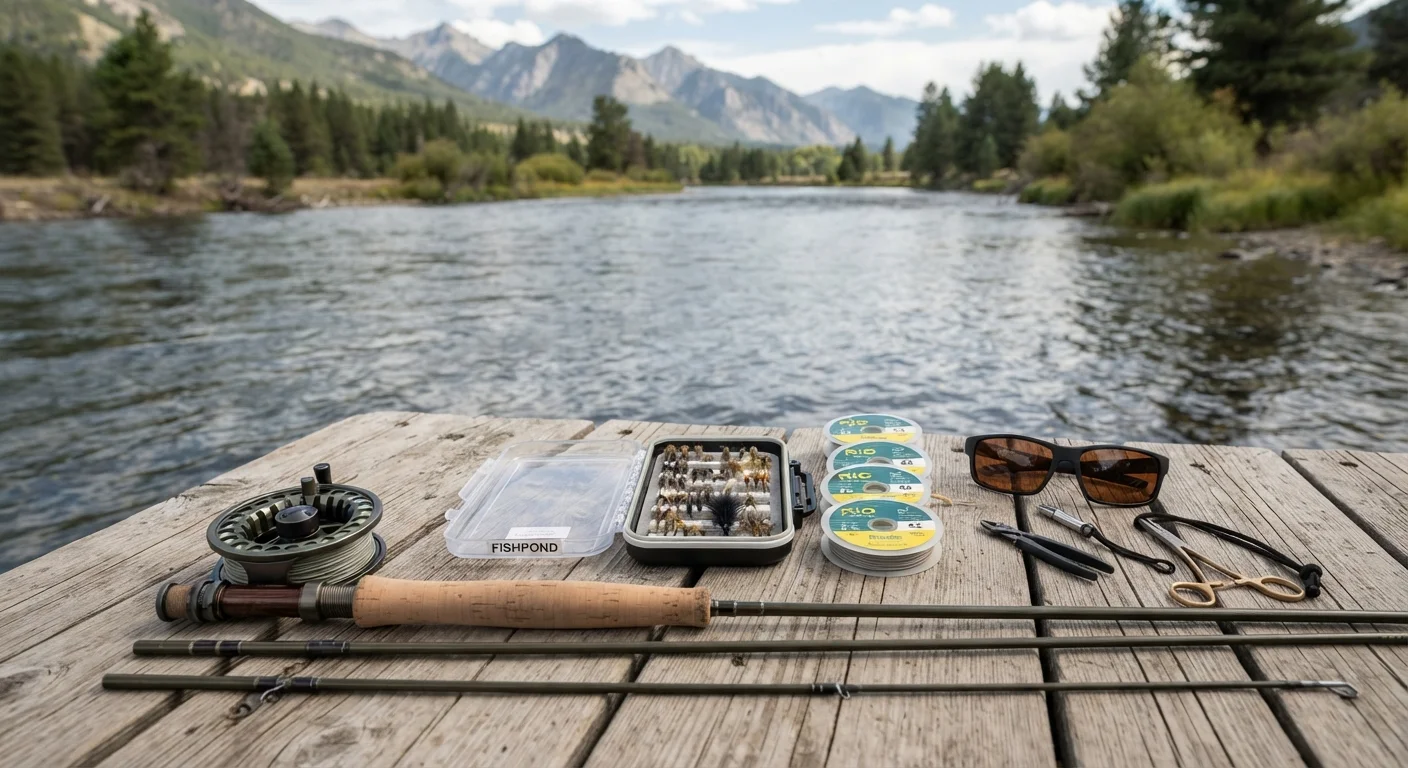
Your first custom fly fishing setup just needs to match your water. A 5wt rod for stream trout won’t cut it on bass lakes, and an expensive reel can’t fix a mismatched line weight. Decide on your scenario first, then choose your gear.
On a tight budget, prioritize a solid rod-and-reel combo in the $150-250 range. Waders and boots can wait — borrow them or find cheap alternatives for your first few trips. Save your money until you know what you actually need more of.
Pick one scenario from this guide, match it to the buying list, and go cast a line. The fish don’t care about the brand on your reel — they care whether your fly hits the water right.