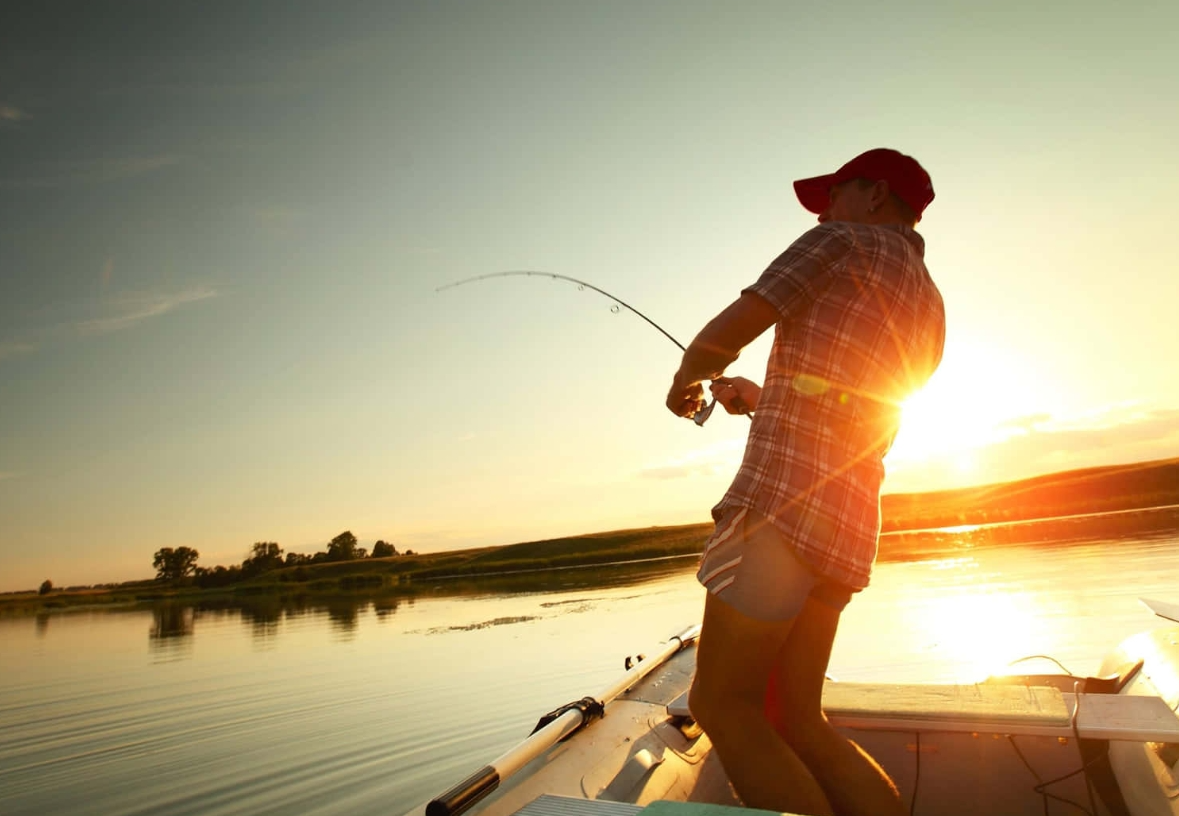
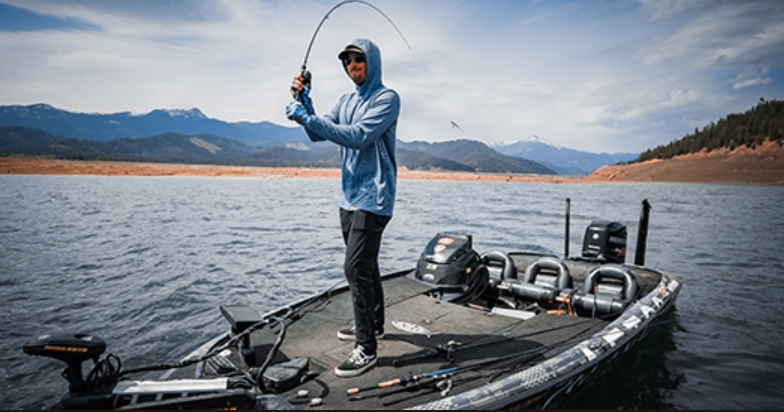
You're twelve miles offshore, sun blazing at noon, and that "sun protective" hoodie you bought is soaked through, clinging to your skin, and doing nothing to keep you cool. Sound familiar? Not all UPF 50+ fabric is created equal, and a hoodie that looks technical on the hanger can fail on the water.
Whether you're a solo angler trying to avoid another sunburned neck or a brand owner sourcing custom performance hoodies for your team, the difference between good enough and genuinely functional gear comes down to specific design decisions: fabric weave, ventilation zones, seam placement, even where you put the thumbholes.
This guide breaks down exactly how serious fishing apparel gets engineered, step by step, so you can shop smarter or brief your custom fishing hoodie manufacturer with confidence.
Step 1: Define Your Fishing Use Case & Target Wearer
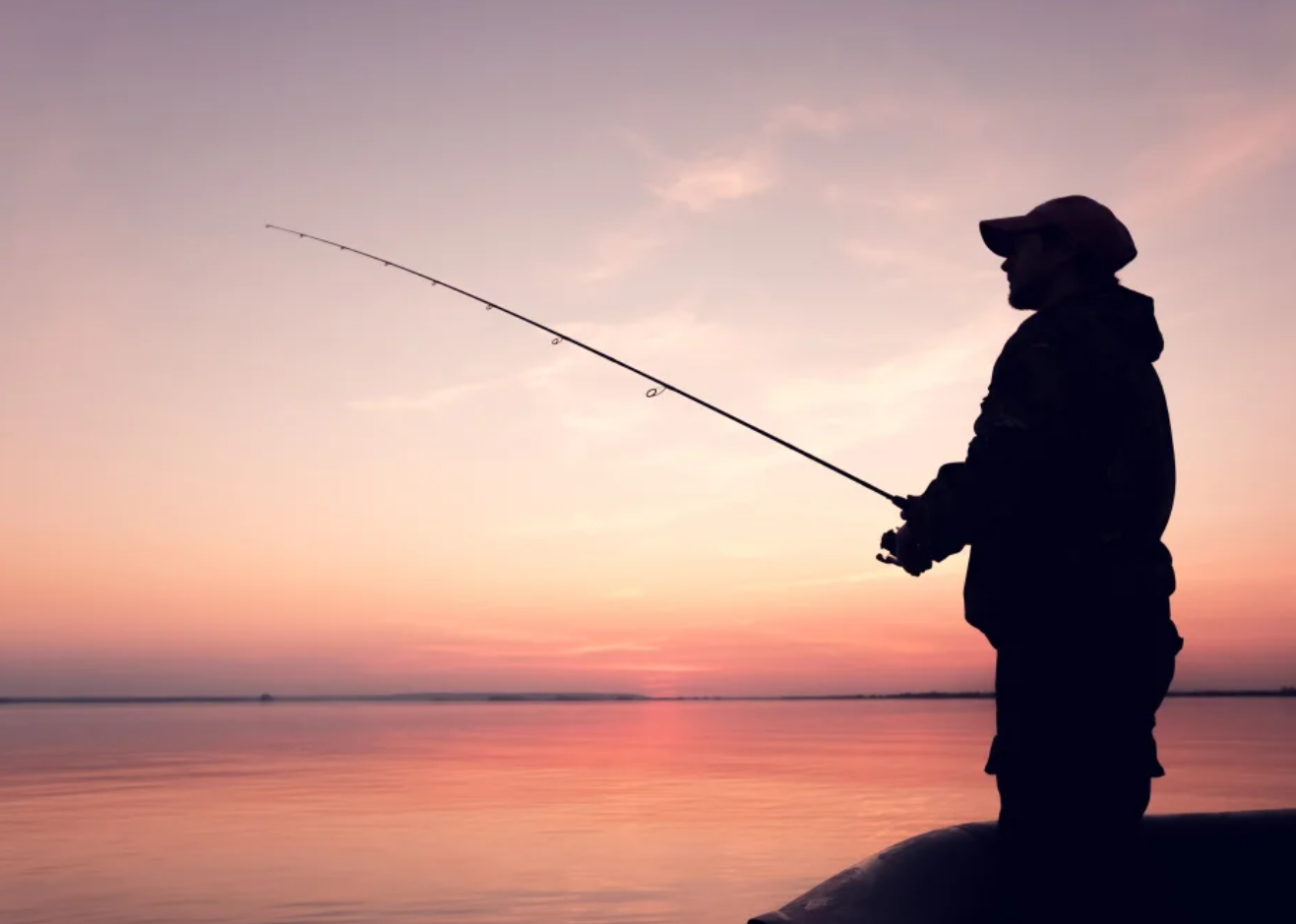
Skip this step and everything downstream falls apart. Fabric choice, fit, and pocket placement all fail without knowing who's wearing the hoodie and what they're doing. Individual anglers and B2B teams are solving completely different problems.
Individual Anglers vs. B2B Teams: Different Priorities, Different Designs
A solo angler wants comfort, sun protection, freedom of movement, and something lightweight enough to forget they're wearing it. A team buyer — a tackle brand, a fishing club, a guide service — cares about logo placement, color consistency, MOQ, pricing at scale, and reliable lead times. Design for one and market to the other, and you'll miss both.
If you're designing for individual anglers , break it down by fishing style:
Boat fishing : Needs wind resistance, splash protection, and grip. The fit can't restrict raised arms or quick turns.
Shore fishing : Prioritize breathability, packability, and comfort for long hours of walking and standing.
Lure/casting : Shoulder and elbow mobility matter most. Cuffs and hems shouldn't interfere with repetitive casting motion.
Kayak fishing : Needs a short front hem, no bulk under the arms or at the sides, and low-friction fabric that won't chafe against paddle strokes.
Ask these questions during research: Does the wearer layer this piece? Does it need to work under a PFD? Will they wear gloves, sunglasses, or a neck gaiter with it? Is this saltwater or freshwater use?
If you're designing for a B2B team , the checklist shifts entirely:
Tackle brands want standardized fabric, matching colors across product lines, full size runs, and stable reorder capability.
Fishing clubs want team identity, with consistent logo placement across event and member gear.
Guide/captain teams want durability, easy cleaning, and a professional look on deck.
Before quoting anything, confirm: customization method of fishing hoodie (embroidery, heat transfer, screen print), whether multi-color logos are allowed, size distribution per order, first-order MOQ, reorder MOQ, and sample turnaround time.
Matching Fabric to the Actual Use Case
This is where most "sun protective" hoodies fail. A hoodie rated UPF 50+ blocks roughly 98% of UV radiation — meaning only about 1/50th of UV rays pass through the fabric. That's the benchmark for anyone facing 4–8 hours of continuous sun exposure , which describes most offshore and all-day fishing trips.
But UPF alone isn't enough:
High humidity or heavy sweating → prioritize quick-dry, moisture-wicking fabric with lightweight mesh or high breathability. Skip this and the hoodie clings and traps heat.
Saltwater environments → prioritize salt-resistant, chlorine-resistant, abrasion-resistant fabric with corrosion-resistant hardware and stitching.
Freshwater environments → you can ease off on corrosion resistance, but still need UV durability and airflow.
High-motion activities (casting, paddling) → fabric needs stretch, with articulated seams at the shoulders, back, and underarms.
Fit Requirements You Can Act on Immediately
Long-sleeve sun protection : sleeves should cover to the hand or wrist bone, with cinchable cuffs.
Relaxed but not baggy : enough room through the shoulders and chest to avoid tightness during casting or paddling.
Front-short, back-long hem : prevents hem creep during boat fishing or kayak paddling.
PFD compatibility : for boat and kayak use, the fit needs to sit under a life vest without bunching at the chest or underarms.
Pockets : shore/guide styles benefit from a chest or zip pocket; kayak and boat styles should minimize hardware and external attachments.
Individual vs. Team: Quick Comparison
Factor | Individual Buyer | Team/B2B Buyer |
|---|---|---|
Core need | Comfort, sun protection, mobility | Brand identity, batch cost, consistency |
Fabric priority | UPF 50+, quick-dry, breathable, lightweight | Durable, consistent dye lots, stable supply |
Fit | By fishing style (boat/shore/lure/kayak) | By role (crew/guide/member) |
Customization | Minor personalization, sizing accuracy | Logo, color, numbering, team name |
Buying concern | Price, comfort, reviews | MOQ, lead time, reorder process, color matching |
The 5 Questions Worth Asking Before You Design or Order
What's the primary fishing style: boat, shore, lure, or kayak?
How long is a typical session? Does it involve 4–8 hours of continuous sun exposure?
Saltwater or freshwater?
Does it need to work with a PFD, gloves, gaiter, or sunglasses?
Is this for an individual or a team? If a team, what's the logo requirement, color standard, MOQ, and reorder plan?
Product Tiers Worth Building Toward
Entry individual model : UPF 50+, quick-dry, basic breathability, lightweight fit
High-mobility individual model : stretch panels, underarm ventilation, PFD-compatible
Standard team model : fixed color palette, standardized logo placement, reliable reorder supply
Guide/crew model : higher abrasion resistance, easy-clean fabric, higher visibility, functional pockets
Get this step right, and every decision after it becomes far easier to make, including fabric weight, seam placement, and thumbhole position.
Choosing UPF 50+ Fabric for Maximum Sun Protection
UPF 50 fabric blocks 98% of UV radiation, letting through just 1/50th (about 2%). Compare that to UPF 15 (93.3% blocked) or UPF 30 (96.7% blocked), and the gap becomes obvious. For 4-8 hour fishing sessions, that 2% difference adds up fast on exposed skin.
What UPF 50+ Means
Anything blocking less than 2% UV gets labeled UPF 50+, the highest standardized rating. Brands can technically test up to UPF 80, but labeling stops at "50+." Look for third-party certification through AATCC , AS/NZS 4399, or UV Standard 801, and confirm the test covers the finished garment, not just a fabric swatch.
Fabric Structure Beats Everything Else
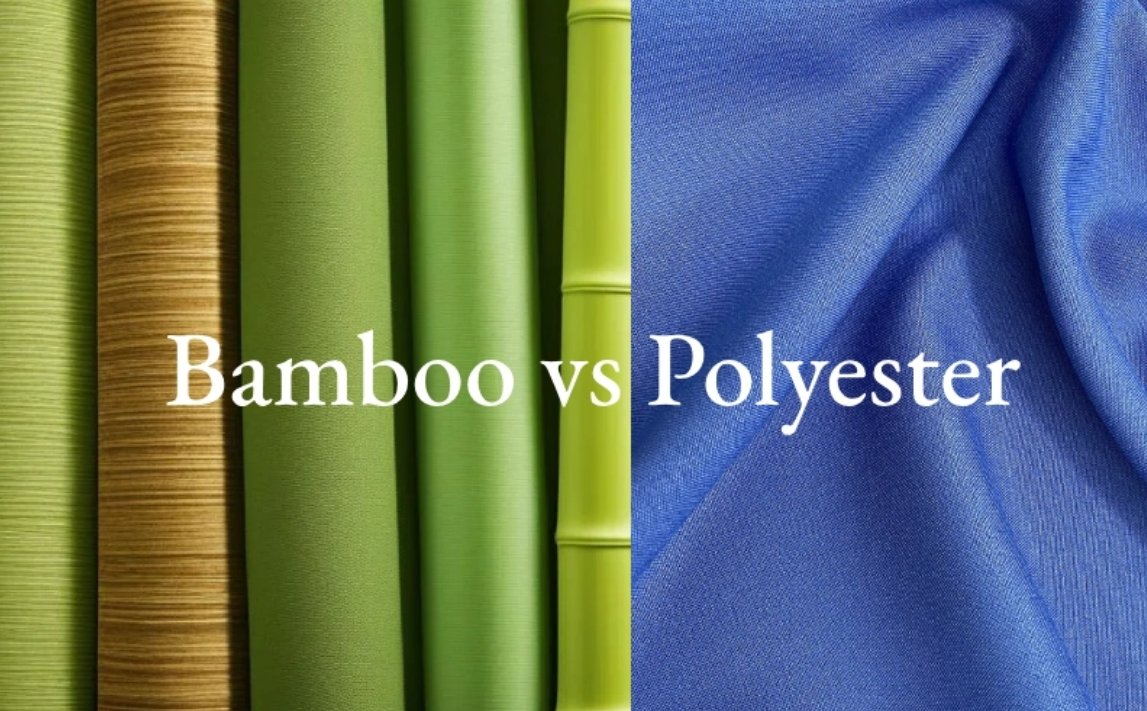
Weave density drives UPF more than color, weight, or stretch. 100% polyester tight knits hit UPF 30-50+ reliably and hold that rating even when stretched. Poly/spandex blends are trickier: spandex stretches the weave open, and UPF can drop to 15-30 under tension. If you want a fitted hoodie with stretch, demand lab testing at maximum stretch, not resting state.
Color and Coverage Compound the Protection
Darker fabrics (navy, black, charcoal) absorb more UV than light colors at the same density, often bumping UPF 30 to UPF 50 without changing the weave. Long sleeves cut arm exposure from 60-70% down to under 20%. Hoods cover roughly 100% of the neck and 80-100% of the scalp, areas most sun hoodies leave exposed.
The minimum standard for a real fishing sun hoodie is UPF 50+ certified, tested on the finished garment, in a tight polyester knit at 140-160 g/m².
Engineering Cooling & Breathability Into the Fabric
A UPF-rated hoodie that traps heat is a hoodie anglers stop wearing after one trip. Sun protection and breathability aren't opposing forces. Getting both right takes specific fabric engineering, not marketing claims.
Moisture-Wicking Performance You Can Actually Test
Don't take " moisture-wicking fishing shirt " claims at face value. Ask for AATCC 197 test results. This measures how fast sweat travels up the fabric surface. Strong performers hit 150mm+ vertical wick in 30 minutes. Anything less, and moisture sits against skin.
Two other numbers matter:
MVTR (moisture vapor transmission rate) : Look for 8-12 kg/m²/day minimum. Premium cooling membranes reach 11.6 kg/m²/day.
RET (evaporative heat resistance) : Lower is better. Target under 6 m²·Pa/W for genuine breathability.
Drying speed benchmark : quality quick-dry knits should dry within 30-40 minutes of saturation, 30-50% faster than cotton at the same weight.
Mechanical vs. Chemical Cooling: Durability Matters
Two approaches deliver "cool-touch" fabric, and they're not equal long-term.
Mechanical cooling uses tri-lobal polyester fibers and hollow-core yarns. It's built into the fiber structure, so performance lasts the life of the garment.
Chemical cooling uses surface coatings and PCM treatments. It degrades noticeably after 20-30 washes.
For custom performance fishing hoodies ordered in bulk, mechanical fiber structure is the safer spec. It won't disappoint your buyer six months after purchase.
Where Mesh Ventilation Belongs
Strategic ventilation zones outperform blanket mesh panels.
Underarm mesh covering 3-8% of total body panel area delivers a 20%+ localized cooling improvement. Side vent strips 3-6cm wide, running from underarm to hem, create a chimney effect for airflow. Back yoke perforation uses 1-2mm laser-cut holes with 5-10mm spacing, placed below the yoke seam.
Garments engineered this way show 0.5-1.5°C lower back skin temperature and 10-25% faster drying than unventilated equivalents. That's the real-world difference between "breathable fishing apparel" claims and actual performance on the water.
Designing the Fit: Athletic Cut, Mobility & Length
Cut matters more than most anglers realize. A hoodie can have perfect UPF and good cooling tech, and still fail if the shoulders bind every time you load a cast.
Shoulders and Chest
A true athletic cut adds ease where fishing motion demands it and removes it everywhere else. Shoulders, back, and upper arms get 6-10cm of extra ease beyond static chest measurement. Waist and hem get 2-4cm . That creates a V-shaped silhouette that lets your upper body move freely without a loose, flapping waist.
Armhole placement governs how easily you can cast. The shoulder seam needs to sit precisely on the natural shoulder point. Set it too low, and the whole garment rides up when you raise your arm. Armhole circumference should run 35-40% of chest measurement , positioned slightly higher on the body but never tight.
Raglan and Articulated Sleeves for Repetitive Casting
Raglan seams angle from underarm to collar, spreading stress across the chest and back rather than pinning it at one shoulder point. That matters on hour six of a casting session.
Articulated sleeves take it further. Adding curved darts at the elbow and shifting the sleeve crown slightly forward gives your forearm room to extend without pulling the whole sleeve taut. Upper arm panels typically widen by 1-2cm to accommodate this.
At the underarm itself, a diamond or gusset insert — 5-8cm wide, 8-12cm long — absorbs the lateral stretch from raising and retrieving your rod. Without it, that seam is the first thing to blow out after a season of hard use.
Sizing: XS-XXL and Where Women's Sizing Fits In
Standard athletic-cut chest measurements run:
Size | Chest (cm) |
|---|---|
XS | 84-88 |
S | 88-94 |
M | 94-100 |
L | 100-106 |
XL | 106-112 |
XXL | 112-118 |
Women shopping unisex athletic-cut hoodies should size down. A woman at 155-162cm, 82-88cm chest typically fits an XS men's cut, sometimes XXS if available. At 162-168cm, 88-94cm chest , S usually works. Above that, M covers most builds up to 174cm. If the fabric has 10-15% four-way stretch , size down another half step for a closer, less bulky fit. Athletic cuts already carry extra shoulder ease that can look sloppy on a smaller frame.
Hem Length: Solving the Bend-Over Ride-Up Problem
Anyone who's fished for a few hours knows the annoyance of a hoodie creeping up every time you lean over the rail or sit for long stretches. A high-low hem with a back panel 2-5cm longer than the front solves this.
At 170cm height, that typically means a front length of 68-70cm and a back length of 72-75cm . Combined with a wider back panel and extra shoulder ease, the garment flips open when you bend forward. It won't ride up your spine. The back hem should still cover 4-6cm below your seated waistband line . That tells you whether the cut works on a boat seat, not just when you're standing.
Hood Compatibility With Ball Caps
Most anglers layer a ball cap under the hood, and most hoods aren't built for it. Increase hood depth by 1-2cm and vertical opening height by roughly 1cm to clear the brim without pressing down on your forehead.
Face opening circumference should run 6-8cm larger than actual head circumference, with a drawcord that cinches it back 3-4cm when you're not wearing a cap. Position the drawcord exit 1-1.5cm above the brim line to avoid interference. A couple of vertical darts at the crown keep the hood from ballooning in wind, and extra room at the back neck seam (2-3cm higher than the front) stops the collar from choking you when you tilt your head back to track a cast.
Must-Have Functional Features for Serious Anglers
A hoodie that survives a full charter season needs a well-designed hood/mask system, thumbhole sleeves, smart pocket placement, and flatlock seams. Skip any one, and comfort breaks down exactly when you need it most.
Hood, Mask & Breath-Zone Mesh
A functional hood extends 6-8cm beyond the nose when worn over a cap, blocking sun and spray without cutting downward vision. It should hold shape at 20-30 knot boat speeds using front drawcords plus a rear volume adjuster. The integrated mask/gaiter needs UPF 50+ minimum and 28-32cm from nose to below the collarbone, covering neck and upper chest.
A breath-zone mesh panel solves the fogging problem. It uses 0.5-1.0mm holes, covers at least 40-60cm² , and sits from the nose bridge to the upper lip, aligned with your sunglass lower rims. That directs exhaled air downward instead of straight into your lenses.
Thumbhole Sleeves
Standard sleeves ride up 3-5cm every time you raise your rod arm to cast. A thumb loop stops that. Cuffs should sit slightly tighter than your wrist circumference (17cm wrist, 15-16cm cuff), covering 70-90% of the hand's back for UV protection while keeping your fingers free for knots.
Pocket Placement That Avoids Gear Conflict
Map pockets around the belt line ( 90-110cm from ground), PFD shoulder straps, and rod-butt contact zones. Side-seam pockets sit 3-5cm above hem ; chest pockets stay offset toward the armpit, below the PFD strap path.
Flatlock Seams
Overlock seams create 1-2mm ridges that chafe under PFD straps. Flatlock construction drops that to under 0.5mm , and you'll feel the difference across your shoulders and collarbone.
Adding Durability & Extra Performance Finishes
Sun protection and cooling get a hoodie on the water. Durability finishes are what keep it there after fifty washes and a season of fish blood, bait, and salt spray.
Antimicrobial & Odor Control
A single anti-bacterial treatment isn't enough. Testing on 30 antimicrobial fabrics showed all passed inspection fresh off the line, but volunteers reported noticeable odor after just 3 days of wear. That's the gap between lab-passing and field-ready.
Look for permanent-fix antimicrobial agents, not surface sprays. Quality benchmarks:
99% bacteria reduction within 24 hours
Efficacy holding strong after 50 washes
Odor-control additives cutting smell by 72%+, versus 6% for typical competitors
Expect a 20-50% fabric cost increase for embedded fiber or nano-silver systems, worth it for anyone fishing multiple days a week.
DWR Water-Repellent Coating
For offshore spray and rain, a durable water repellent (DWR) finish matters. Target a water contact angle of ≥110° initial, holding ≥90° after 20-30 washes. Standard C6 fluorocarbon DWR adds 5-15% to garment cost but keeps fabric water pickup under 10% instead of soaking past 30%.
Anti-Stain Treatment for Blood & Bait
Fluorocarbon-based anti-stain finishes lift 80%+ of fish blood and bait residue with a single rinse, versus 2-3 washes on untreated fabric. Combined with antimicrobial finishing, expect 30-50% longer garment lifespan, fewer hoodies retired over stains no wash cycle could fix.
Custom Branding & Logo Placement Options (For Teams/Brands)
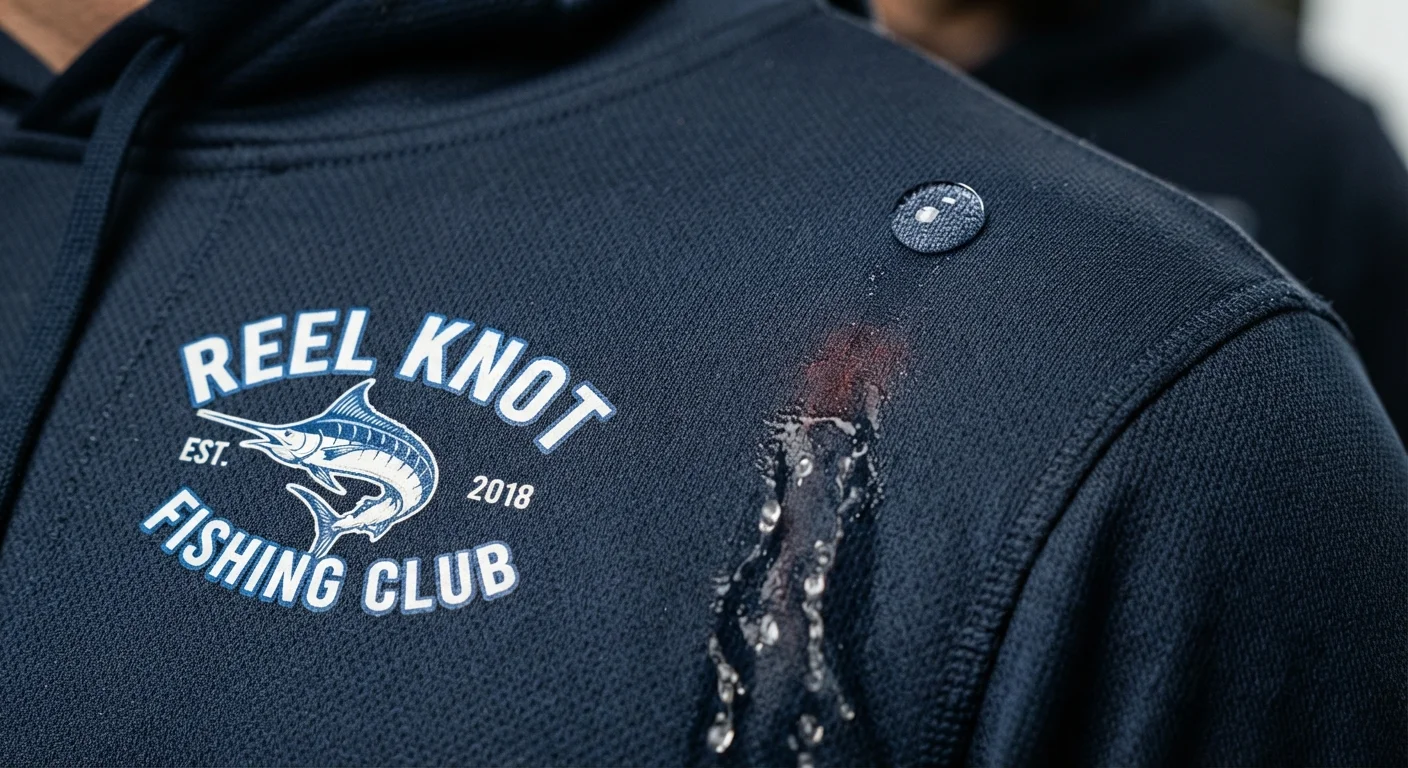
Placement is a pricing decision, a visibility decision, and a "will this print survive fifty washes" decision. Get it wrong and you're reprinting a batch order six months in.
Where Logos Actually Go
Left chest is the default primary zone for a reason. Run it at 2.5-5 in wide x 2.5-5 in tall (often just 3-4 in wide), positioned 3-4 in below the collar seam, centered on the chest panel. This is where club logos and main team identity live.
Full front/center chest works when you want maximum visibility instead of a subtle mark. Size up to 9-12 in wide, placed 2-3 in below the collar.
Back upper center carries secondary identity or large-scale branding. Standard sizing is 8-12 in wide, sitting 3-5 in below the collar, centered between seams. This is also the natural home for boat names, guide service names, or captain/title text — anything operational rather than decorative.
Sleeves stay small: 1-4 in wide, usually 1-3 in, placed 2-3 in below the shoulder seam. Reserve this real estate for sponsor logos, gear partners, or regional marks. Keep text minimal here — small placements don't forgive dense Artwork .
Hood front works as a subtle secondary mark. Lower back or hem is the spot for URLs, phone numbers, or social handles — anything meant for service discovery rather than identity.
Chest, upper back, and shoulders can capture up to 80% of viewer attention on a garment. That's your top-third real estate. Spend it on your primary mark, not filler.
Practical Branding Split for Fishing Teams
Primary mark : club/team logo → left chest or center chest
Commercial marks : sponsor logos → sleeves or shoulders
Operational ID : boat name or guide info → back upper center
Support text : website/contact → lower back or hem
Sublimation vs. DTF on Polyester
For polyester hoodies, sublimation dyes the fiber itself — no raised edge, lighter hand feel. It's the better call for full-front or full-back team kits.
DTF sits on the surface, which means it feels thicker on large prints, but it wins on placement flexibility for smaller zones. Use DTF for left chest + sleeve + back-neck combinations when you're mixing multiple logo placements on one order.
Procurement rule of thumb: sublimation for full-garment graphics, DTF for small multi-placement logo packages.
What It Costs
A second placement (say, left chest plus full back) adds $3-5 per shirt. A single logo zone runs around $7.50 per print area on small-run custom orders once artwork setup is factored in.
1 placement = cheapest
2 placements = standard team/club setup
3+ placements = premium package, higher print and labor cost
MOQ Reality Check
Under 25 units : no-MOQ vendor, higher unit price, lower inventory risk — good for pilot drops
25-99 units : mixed model
100+ units : fishing hoodie factory MOQ pricing, lower per-piece cost, best for repeat team orders and sponsor uniforms
If you're briefing a manufacturer for a custom performance fishing hoodie run, walk in with placement, print method, and order volume already decided. That single step cuts sampling rounds and gets your team gear on the water faster.
The Custom Order Workflow: From Brief to Bulk Production
The price of custom fishing sun hoodie you get quoted has almost nothing to do with fabric cost. It's about timeline, order size, and how many rounds of samples you burn through. Know the workflow going in, and you'll negotiate better and avoid surprise delays.
Step 1: Brief & Quote (1-3 Days)
Bring a design or tech pack, target quantity and unit price, and a firm deadline. Factories move fast when you hand them complete information. Most legitimate OEM shops turn around an initial quote within 1-3 business days once they have all four data points.
Step 2: Sampling (3-14 Days)
This is where timelines stretch. Standard first-sample production runs 3-7 days on in-stock fabric. Pattern making, fabric sourcing, and sample sewing all happen in that window. Custom colors, specialty weaves, or complex trims push it to 7-14 days, with fabric procurement alone eating 2-5 days.
Expect at least one revision round. Minor fixes like sleeve length, cuff tightness, or print position get a 2-3 day turnaround. Structural changes like regrading the pattern, moving seams, or redoing the armhole take 3-5 days. Most factories cap free revisions at 1-2 rounds; round three often costs $50-100 per style or gets billed as separate sampling labor. Build that into your planning, not after the invoice lands.
Step 3: Sample Approval & Cost Lock (1-5 Days)
Once your sample passes, four things get finalized: unit price, lead time, size range, and packaging spec. This is also where most factories require a deposit, commonly 50%, non-refundable once materials are purchased. Give yourself 1-5 days to approve the sample and greenlight bulk production without slowing the queue.
Step 4: Bulk Production (7 Days to 8 Weeks)
Production time scales with order size:
Quantity | Lead Time |
|---|---|
50-100 units | 7-10 days |
100-500 units | 10-20 days |
500-2,000 units | 3-5 weeks |
2,000+ units | 5-8 weeks |
Fabric sourcing and equipment scheduling become the real bottleneck above 500 units. Smart factories build in a 3-7 day material buffer for non-stock colors and use dynamic scheduling instead of fixed batch slots. Your order gets queued alongside whatever else is on the floor, not processed in isolation.
Step 5: Final Inspection & Shipping (2-5 Days)
Every piece gets checked against spec: measurements, print placement, stitching, labeling, packaging. Budget 2-5 days for QC and shipment prep on standard orders. Large export orders add roughly a week for booking and customs paperwork.
Pricing vs. Timeline: What to Expect
Order Size | Unit Price | Timeline |
|---|---|---|
Under 50 units | 150-300% of bulk price | 7-14 days |
100-500 units | Drops 10-40% from small-batch pricing | 2-3 weeks |
1,000+ units | Lowest per-unit cost | 4-8 weeks |
The tradeoff is simple: lower unit price means longer lead time and earlier design freeze. If you need custom performance hoodies fast and in small runs, expect to pay a premium. If you're placing a 500+ unit team order, lock your design early. Changes after cutting begins are expensive and slow. If your design is ready, a detailed quote takes under three days.
Pro-Level Spec Checklist: Finalizing Your Design
Every decision you've made so far means nothing if it doesn't survive the tech pack. This is the document your factory actually builds from, and vague specs cause vague products. Lock these fields before you send anything to production.
Fabric & Performance Fields
UPF rating : 50+ minimum, tested per AS/NZS 4399, AATCC 183, or EN 13758-1
Fabric composition : exact ratio (e.g., Polyester 92% / Spandex 8%)
GSM : 120-160 g/m²
Colorfastness : ≥4 grade (ISO 105-C06), pilling resistance ≥3-4 grade at 5,000-10,000 Martindale cycles
Stretch recovery : ≥90% after 20% stretch
Breathability & Comfort Fields
Air permeability : ≥5,000 g/m²/24h or ≥20 L/m²/s (ASTM D737)
Mesh zone coverage : back panel ≥30%, underarm vents 4-6 holes at 2-3mm diameter
Cool-touch Q-max : target ≥0.25 W/cm²
Fit & Hardware Fields
Size grading : 4cm chest increment per size tier
Ease allowance : chest measurement +8-12cm over body
Tolerance : primary measurements ±0.5-1.0cm, secondary ±0.3-0.5cm
Hardware specs : zipper type/length, pocket dimensions, drawcord diameter (mm), reflective trim brightness (≥300 cd/lux·m²)
Print & Order Fields
Print method : screen, DTF, sublimation, with wash durability ≥grade 4 after 25 washes
MOQ : 200-500 units/color for screen print, 50-100 for digital
QC standard : AQL 2.5, defect rate ≤3%
Missing even one field forces your factory to guess. Fill every field, and a 48-hour quote turnaround becomes realistic.
Conclusion
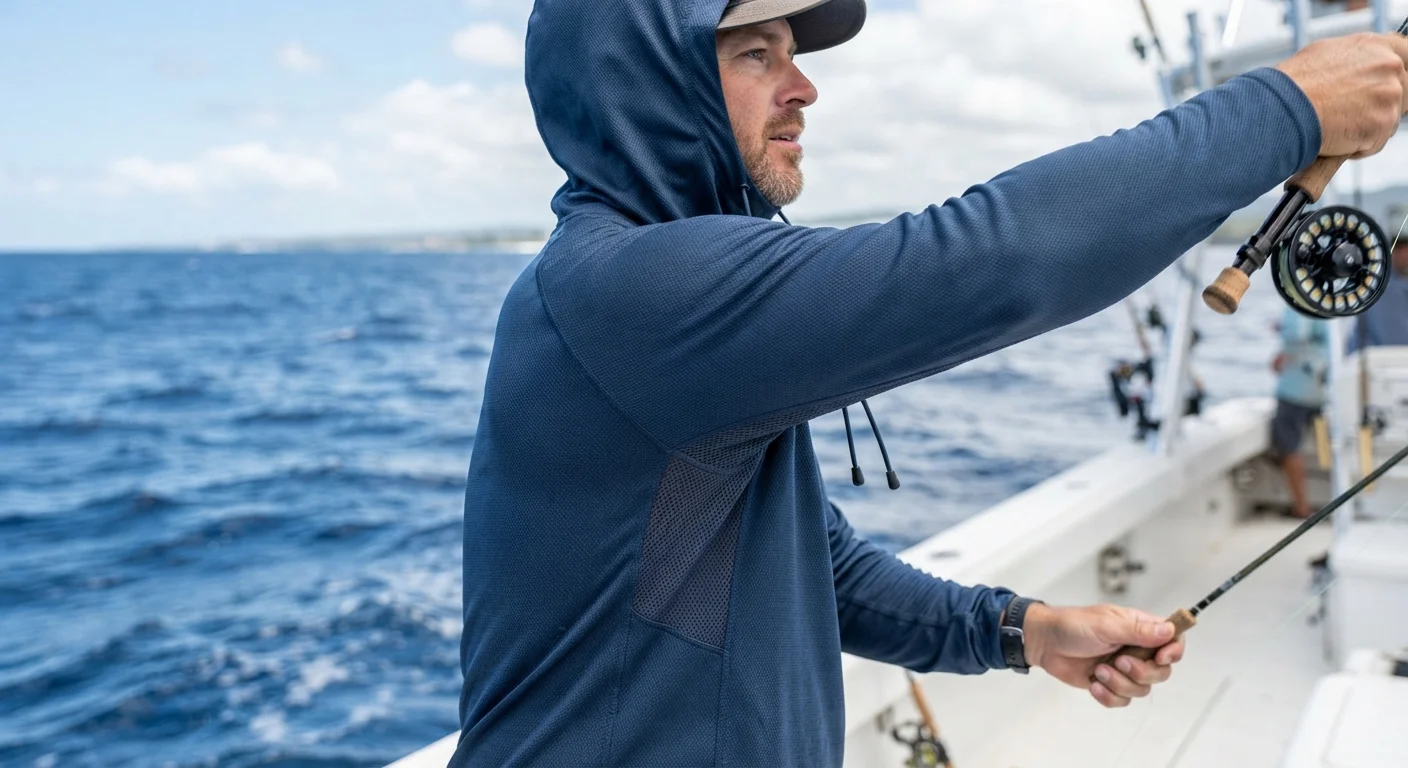
A great fishing hoodie needs three things: real UPF 50+ fabric that blocks UV rays (not just a label), engineered airflow to keep you cool during those brutal midday casts, and a fit that moves with you. Skip any one of these, and you get a shirt that looks right but fails you on the water.
Whether you're a solo angler upgrading your gear or a brand owner sourcing custom fishing hoodies for your team, the framework is the same. Start with function, then layer in details like thumbholes, face masks, and branding.
Ready to turn this checklist into a finished product? Runfish Apparel 's design team can take your specs from brief to bulk production. Reach out today and let's build a hoodie your customers will actually want to wear.