The first time I went fly fishing, I wore a cotton t-shirt, cargo shorts, and beat-up sneakers I didn't mind getting wet. By noon, I was hypothermic. My neck was sunburned. I stood shin-deep in a mountain creek with soaked socks. Nobody told me that fly fishing clothing isn't a fashion decision — it's a functional one. Even seasoned anglers often rely on a trusted fly fishing apparel supplier to source materials that perform across all water and weather conditions.Getting it wrong has real consequences.
You don't need to spend a fortune on gear. But you do need to understand the logic behind fly fishing clothing before buying anything. This guide breaks it down season by season — spring through winter. It covers everything from your base layer to your wading boots. You'll find honest budget options too, plus a short list of stuff you don't need to buy.
Dress right, and the river becomes a pleasure. Dress wrong, and it becomes a problem you spend all day managing.
Spring Fly Fishing Layering & Variable Weather Setup
Spring punishes overconfidence. Your morning starts in frost. By 9am, you're wading through snowmelt runoff. By noon, you're down to one layer under full sun — then a squall rolls in off the ridge before you reach the truck. No other season asks this much from your clothing. Get it right, and spring fishing is extraordinary. Get it wrong, you spend the best hatches of the year shivering, soaked, or both.
The core principle for spring fly fishing layering is simple: build a system, not an outfit . Three functional layers, each doing a specific job.
The Three-Layer Foundation
Base Layer — Moisture Management
Your base layer has one job: move sweat off your skin and keep you dry from the inside out.
Cotton fails here. It soaks up moisture and holds it against your skin. That's how hypothermia starts on a 55-degree morning. Go with a synthetic or merino/synthetic blend , lightweight to midweight depending on water temperature. Patagonia's Capilene Midweight is a solid benchmark for cold shoulder seasons. The rule is firm: zero to five percent cotton, maximum.
Mid Layer — Insulation
A high-pile or waffle fleece pullover covers most spring mornings. On cold-runoff mountain streams, add a thin synthetic insulated vest on top. It locks in core heat without restricting your casting arm. Keep bulk low. You'll be peeling layers by midday anyway.
Outer Shell — Wind and Rain
Spring storms move fast and hit hard. Your shell needs to be fully waterproof, seam-taped, and DWR-treated , with breathability rated at 10,000 g/m²/24h or higher . That breathability number matters more than most anglers expect. It's what separates a real wading jacket from a sauna bag on the hike in.
Waders and Footwear
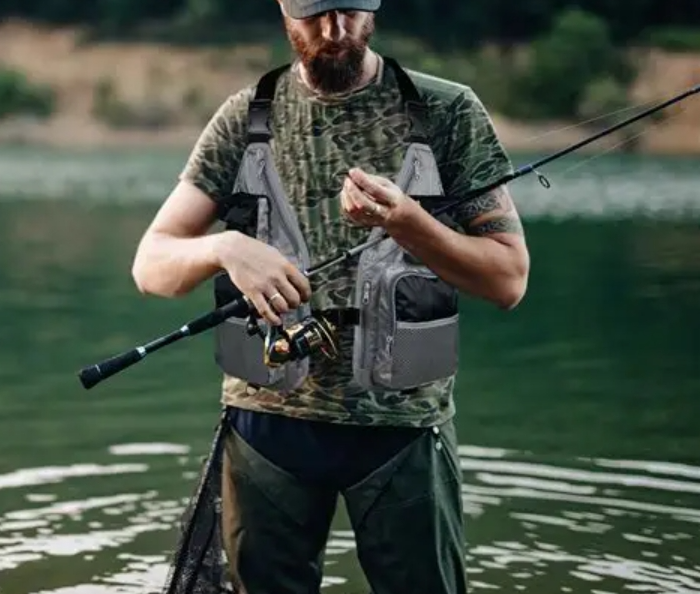
Breathable chest waders are the right call for cold-runoff mountain streams. Waist-high waders work fine for milder plains rivers — places where you're not standing deep in 40-degree current for hours. Either way, fit needs room. You want enough space for fleece pants underneath without crushing that insulation flat.
Boots should fit a little loose . Tight wading boots cut off circulation. Cold feet follow fast.
For socks, run a two-sock system in cold conditions:
- A thin synthetic liner sock underneath
- A mid-to-heavy merino wool outer sock over it
On warmer spring days, a single midweight synthetic-wool blend gets the job done.
Scenario Adjustments
Scenario | Key Adjustments |
|---|---|
Mountain creek, cold runoff | Chest waders + fleece pants underneath, midweight base, vest + fleece mid, full wading jacket, beanie under cap, 2–3 pairs of gloves |
Plains river, moderate temps | Waist-high waders or quick-dry pants, lightweight base, packable rain shell, wide-brim UPF 30+ hat |
Lake or reservoir, boat | No waders, quick-dry fishing pants, windproof spray jacket, long-sleeve UPF 50+ sun shirt, deck shoes |
The One Mistake That Costs People the Most
Gloves. Bringing just one pair is the problem. Your hands will get wet — from the river, from rain, from handling fish. Wet gloves are worse than no gloves. Carry two to three pairs of fingerless wool or fleece gloves and rotate through them. Tuck a few hand warmers into your wader chest pocket too. They bring cold fingers back faster than anything else in your kit.
Summer Fly Fishing Outfit & UV/Wet-Wading Configuration
Summer fly fishing clothing has one job: managing sun. Staying warm isn't the concern anymore.
Ditch the waders. In July, chest waders will cook you alive. Summer fly fishing runs on a wet-wading system — quick-dry pants or shorts, lightweight socks, wading boots, and sun protection layered from head to toe. Many brands now offer custom fly fishing apparel options to adjust fit and pocket layout for individual anglers, ensuring optimal comfort and mobility.The logic is straightforward: the river keeps your lower body cool. Your clothing keeps the sun from wrecking your upper body.
Here's what that system looks like, built from the skin out.
Sun Protection Is Your Base Layer
Drop the casual short-sleeve cotton. Standard summer fabrics test at UPF 6 . That's close to useless after an hour on the water. A proper UPF 50+ long-sleeve fishing shirt is your real base layer — not optional, not overkill.
The good ones do three things cotton cannot:
- Hold UPF 50+ protection even when soaking wet
- Dry in 10 to 15 minutes in open air or a breeze
- Push air through mesh panels or underarm vents so you're not baking in fabric
Look for shirts with an integrated hood or high collar, thumb loops, and a longer back hem. Those details close the coverage gaps a standard t-shirt leaves open. Top picks: Simms Stone Cold Hoody, Patagonia Tropic Comfort, Orvis DriCast Hoodie, AFTCO Samurai. Any of them will handle a dozen afternoons of hard sun without breaking down.
Mid-layer in summer: nothing. Skip the fleece. Do toss a packable rain shell in your vest or pack — a solid 2-layer fishing shell weighs around 200 to 350 grams and packs under a liter. Mountain thunderstorms show up without warning. Wind chill after wet-wading a cold creek moves fast.
Below the Waist: Wet-Wading Done Right
Quick-dry fishing pants beat shorts in most summer situations, even in the heat. Long pants block brush, insects, sunburn on the backs of your legs, and scrapes from rocky banks. Go for UPF 30–50+ nylon , around 90–150 g/m² fabric weight. Light enough to dry in under 30 minutes. Tough enough to push through a mile of overgrown streambank.
Pick light colors . Dark fabric pulls in heat. On a 90-degree plains river, that difference adds up faster than you'd expect.
For feet: lightweight synthetic or merino-blend socks with standard wading boots cover most summer creek and river situations. Boots running loose? Swap in 2–3 mm neoprene guide socks . They fill dead space in the toe box, cut blisters, and add a thin thermal buffer when the water runs cold despite the air temperature.
One straightforward note on footwear: spending a lake or boat day without actual wading? Lightweight wet-wading shoes — around 600–900 grams a pair — are worth grabbing instead of hauling full wading boots at 1.2–1.5 kg.
Accessories: Don't Underestimate the Details
Eyes: Polarized sunglasses with 100% UVA/UVB blocking aren't a luxury. They're how you see fish beneath the surface glare. Fishing-specific lenses cut water reflection in ways standard polarized lenses aren't built for.
Head and neck: A wide-brim nylon hat or long-bill cap paired with a UV neck gaiter (Buff-style) gives you 360-degree coverage. Pull the gaiter up over your nose during peak afternoon hours when the sun angle hits hardest.
Hands: Sun gloves get skipped too often. That's a mistake. In a drift boat or skiff — casting or rowing for hours — the backs of your hands and wrists take direct sun the whole time. Fingerless UPF-rated sun gloves solve that with almost no bulk added.
Sunscreen: Cover every gap your clothing misses — ears, the bridge of your nose, around the eyes, and the strip of skin between your glove cuff and sleeve. Use SPF 30+ broad-spectrum, water-resistant formula. Put it on fresh every 3 to 4 hours , or after any stretch in the water. The tops of your ears need extra attention. They burn fast and they burn bad.
Summer Fly Fishing Quick-Pack Checklist
Category | Item |
|---|---|
Head / Eyes | Wide-brim hat or long-bill cap, polarized 100% UV sunglasses, UV neck gaiter |
Torso | UPF 50+ long-sleeve fishing shirt (hooded preferred), packable rain shell |
Lower Body | Quick-dry fishing pants, UPF 30–50+ (light color) |
Feet | Wading boots + lightweight synthetic socks or 2–3 mm neoprene guide socks |
Sun Guard | SPF 30+ water-resistant sunscreen, fingerless sun gloves, SPF lip balm |
The Honest Mistake Most Summer Anglers Make
They dress for the walk from the parking lot, not for six hours on open water. A short-sleeve shirt feels fine in the truck. By 11am, standing waist-deep in a flat, reflective plains river with sun hitting from above and bouncing up from the water's surface, that shirt becomes a very bad call.
Summer fly fishing sun exposure isn't just overhead — it's omnidirectional . The water throws UV back up at you from below. Wear the long sleeves. Wear the gaiter. The river handles your legs. Let your clothing do the rest.
Fall Fly Fishing Apparel & Cold-Water Transition Guide
Fall water has a way of making it clear that summer is over. Wade into a late-October steelhead run, and that 42-degree current exposes bad gear choices fast.
The challenge with fall isn't just the cold — it's the range. A mountain creek morning might start at 28° f under hard frost and push past 55°F by mid-afternoon. Your clothing system needs to handle both ends of that swing without a trip back to the truck.Some companies work with OEM/ODM fly fishing apparel partners to produce high-performance base layers and waders that meet these exacting seasonal requirements.
Build Your Fall Layering System from the Skin Out
Base Layer — Your First Line of Defense
Merino wool or a quality merino-synthetic blend is the right call here. Patagonia's Capilene Thermal Weight handles air temps in the 30–40°F range well. The fit should be close but not tight. Loose base layers don't wick well. Poor wicking leaves you cold from the inside — before the river ever touches you.
No cotton. Not "minimal cotton." Zero cotton. Wet cotton holds almost no warmth. Testing shows merino and synthetics hold more than twice the insulation of cotton once damp. In a fall immersion, that difference is not a small thing.
Mid Layer — Trap the Heat
A high-pile or waffle-grid fleece covers most fall mornings. Patagonia's R1 grid fleece handles shoulder-season temps well. Near freezing, step up to an R2-class fleece and add a synthetic insulated vest on top. The vest locks in core heat without limiting your casting arm. That detail matters more than you'd think after three hours on the water.
Outer Shell — Wind and Water
Your shell needs to be windproof and waterproof. Look for a proper hood and adjustable cuffs. Pit zips matter more in fall than any other season. Long bankside walks build real heat. No ventilation means you soak your base layer from sweat. That's the same problem as wearing cotton — just slower.
Waders and the Breathable vs. Neoprene Decision
This is where fall trips go wrong most often.
Breathable chest waders are the better choice for most fall fishing situations — any day with a long hike in or a lot of walking. Sweat vapor escapes through the fabric, and you can tune warmth through your underlayers. The tradeoff: they need solid insulation underneath to handle near-freezing water.
Neoprene waders fit one specific situation — low-movement days in very cold water and air, like standing a single deep run for hours. They insulate without underlayers, but they trap sweat. On any fall day with a temperature swing or walking involved, you'll feel clammy and cold by mid-afternoon.
For your lower base layer inside the waders, go with waffle-fleece thermal tights. Near freezing temps, add a light fleece pant on top. Keep your wading belt snug — fall flows run higher and faster, and a tight belt limits water intake if you go in.
The Boot and Sock System
Fit is everything. Feel pressure across the top or sides of your foot with the boots laced up? They're too tight. Tight boots cut blood flow. Cold feet will follow, no matter how good your socks are.
Run a two-sock system:
- Thin synthetic liner sock underneath
- Heavy wool outer sock — Simms heavyweight thermal socks are the standard for cold fall steelheading
Felt soles grip slick fall freestone rock well where regulations allow. Studded rubber works where felt is restricted. Either way, carry a wading staff in fall. Flows are up, the water is harder to read, and cold water slows your reaction time on a slick edge.
Head, Hands, and the Dexterity Tradeoff
Layer a wool or synthetic beanie under a brimmed cap. That combo handles both sun angle and heat retention. Add a fleece neck gaiter that overlaps your collar. The neck is one of the biggest heat-loss spots in cold wind. Most anglers leave it wide open — don't.
Gloves in fall come down to an honest tradeoff. More finger exposure gives you better knot-tying and line control. Less exposure keeps your hands warmer. The practical answer: carry two pairs . Use a thin fingerless wool or fleece glove for active fishing. Switch to a thicker fold-over mitt for the walk in, cold waits, or boat rides between spots. Check for grippy palms — wet rod cork in 35-degree air with slick glove fabric creates a real grip problem.
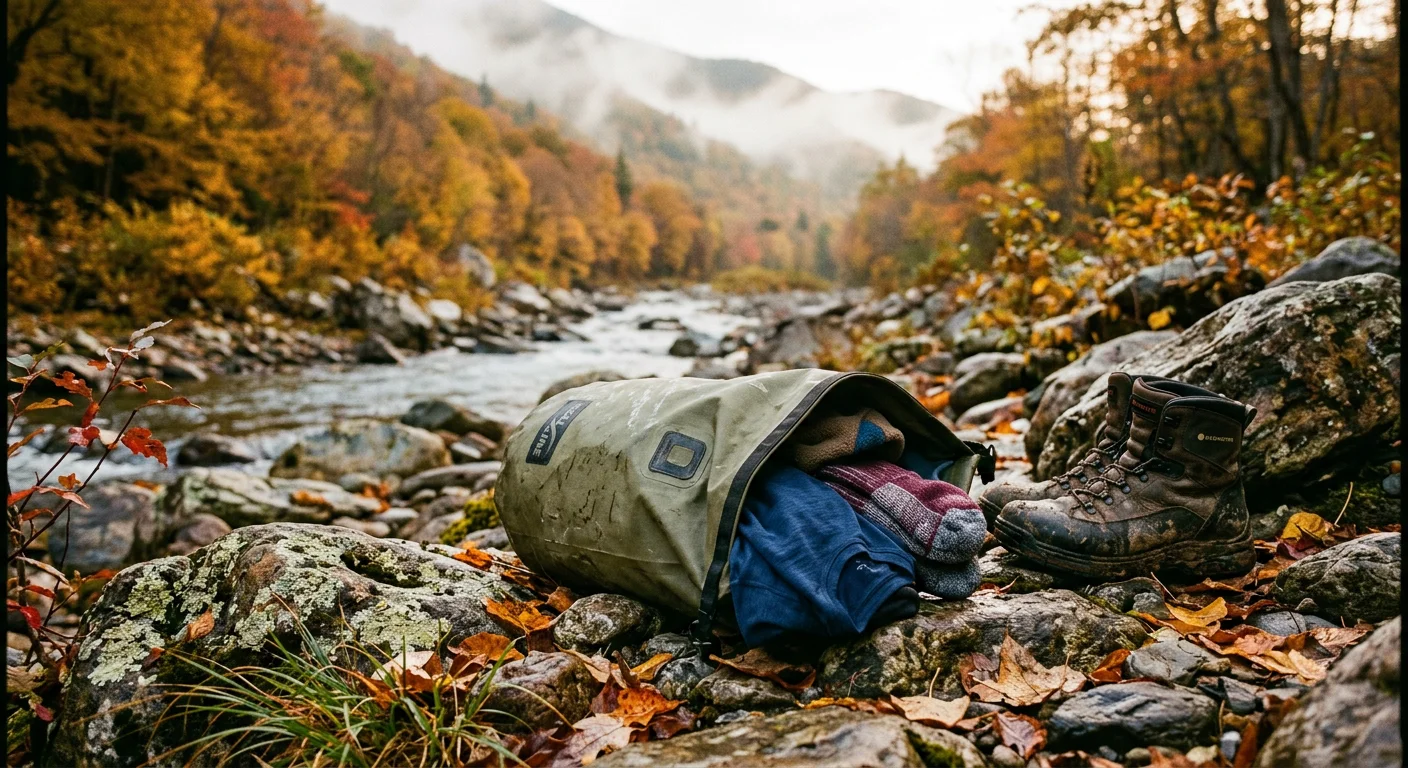
Pack a dry bag with a spare base layer top and a fresh pair of socks. A fall dunking isn't a disaster with dry clothes waiting — it becomes a good story. Without dry clothes, it's just a long, cold drive home.
Fall Scenario Quick-Reference
Scenario | Priority Adjustments |
|---|---|
Mountain creek, cold runoff | Thermal-weight base, R2 fleece + synthetic vest, full waterproof shell, breathable chest waders + thermal tights, heavy wool socks, felt-sole boots, beanie + gaiter, two pairs of gloves |
Plains river, variable temps | Midweight base, grid fleece, windproof shell with pit zips, breathable waders or fleece-lined quick-dry pants for shallow sessions, standard wool sock + roomy boot |
Lake/boat fishing | Mid-to-thermal base, insulated vest, heavier insulated jacket + waterproof boat shell, thermal bottoms under waders or insulated bibs, fold-over mitts, spare dry socks in dry bag |
Winter Fly Fishing Clothing & Insulated Wading System
Winter separates the anglers who understand layering from those who just own gear.
You're standing chest-deep in 34-degree current. A February wind cuts down the canyon. At that point, your clothing isn't background noise — it's the whole conversation. A productive winter day versus a dangerous one comes down to three functional layers, a well-insulated wading system, and zero cotton anywhere on your body.Manufacturers often rely on a fly fishing apparel factory capable of precise insulation layering and waterproof seam sealing to maintain performance in freezing streams.
Build the System from the Skin Out
Base Layer
Your base does one thing: pull moisture away from your skin and keep it moving. Synthetic wicking leggings or athletic spats on the bottom. A thin merino or polyester long-sleeve on top. Keep the fit close — loose base layers don't wick. They just hang there getting damp. No cotton. Not a little cotton. None. Wet cotton loses almost all its insulating value. Wool and quality synthetics hold more than twice the warmth of cotton once damp. In a winter dunking, that difference is what keeps you walking out on your own.
Mid Layer
This is where you trap heat. On the bottom, fleece or nano-fiber pants go over your base leggings. Simms Fjord Fleece Pants are the standard reference for under-wader warmth. On top, wear a breathable hoodie or medium-weight wool sweater. In sub-freezing conditions, add a high-loft fleece on top of that. The goal is loft-based insulation that still breathes on the hike in.
Outer Shell
Winter demands a real shell, not a light packable. Target 20,000 mm hydrostatic head minimum . Look for 100% taped seams — shoulders, hood, major joints — and genuine breathability in the 10,000–20,000 g/m²/24h range. Pit zips aren't optional in winter. They let you manage the heat spike on any bankside walk without soaking your mid layer in sweat.
The Wading System
Breathable chest waders handle most winter scenarios well. They're versatile across temperature swings, and you control warmth through your underlayers. Neoprene waders fit one narrow use case: stationary fishing in very cold water with little walking. Any day with a hike involved, neoprene leaves you clammy and cold by mid-afternoon.
Inside the waders: wicking leggings first, then fleece pants over them. Wear your wading belt snug. Winter flows run high and fast. A tight belt limits water intake if you go in — that's not a comfort adjustment, it's a flood-safety measure.
Socks and Boots
Run the same double-sock system from fall, tuned colder:
- Thin synthetic liner sock underneath for wicking
- Heavy thermal wool outer sock (50–70% wool blend) on top
Critical fit check: boots that feel snug with both socks on are too tight. Tight boots cut circulation. Cold feet follow, no matter how good your socks are.
For wading, go with aggressive rubber or felt soles. Add screw-in studs for icy edges. On boat or bank days where you're not wading, switch to insulated waterproof fishing boots . Look for 400–800g synthetic fill, a waterproof membrane with sealed seams, and an outsole built for snow and ice traction.
Head, Hands, and the Cold-Dexterity Tradeoff
Layer a medium-weight wool beanie over a thin hood or liner hat — Nordic-style, covering your ears. Add a neck gaiter to seal the collar gap. The neck is a major heat-loss point in cold wind. Most winter anglers leave it wide open.
Gloves in winter mean accepting a tradeoff. Fingerless wool or fleece gloves give you the line control and knot-tying ability you need. They won't keep your hands as warm as a full mitt, but full mitts make you useless at the water. The practical fix: pack two pairs . Fish with fingerless gloves. Tuck chemical hand warmers into your wader chest pocket. On cold walks or long waits, switch to a fold-over mitt. Back on the water, switch back.
Winter Fly Fishing Packing Checklist
Category | Item |
|---|---|
Head | Wool beanie (ear-covering), thin liner hood or hat, neck gaiter or balaclava |
Hands | Fingerless wool/fleece gloves × 2 pairs, chemical hand warmers, small dry towel |
Base | Wicking leggings + wicking long-sleeve top (no cotton) |
Mid | Fleece pants (Fjord-class), wool sweater or breathable hoodie, high-loft fleece in sub-freezing temps |
Shell | Waterproof jacket (20,000 mm+, taped seams, storm hood, pit zips) |
Waders | Breathable or neoprene chest waders + snug wading belt |
Feet | Synthetic liner sock + heavy wool outer sock, wading boots with rubber/felt soles + studs for ice |
Emergency | Dry base layer top + dry socks in a sealed dry bag |
That last item — the dry bag — is non-negotiable in winter. A cold-water fall with no dry clothes is a medical situation. With dry clothes waiting, it's just an uncomfortable story you'll tell later.
3 Budget-Tier Fly Fishing Clothing Combinations ($100 / $300 / $500+)
Gear costs are real. Nobody should have to choose between paying rent and catching trout. Here's the straight truth: you can fish well at three different budget levels. What changes isn't whether the system works — it's how long it lasts and how many seasons it covers.
Priority order stays the same at every tier: waders and footwear first, base layers second, shell and accessories third .
Tier 1 — Under $100: The Wet-Wading Starter Kit
This build works for warm weather, shallow streams, and anglers who aren't ready to commit to waders yet. Most of it runs on gear you may already own.
Sun shirt — Columbia PFG Terminal Tackle or equivalent synthetic long-sleeve: $20–35 , UPF 30–50, dries fast
Pants — Columbia Silver Ridge or any nylon hiking pant on sale: $25–35 , UPF 30+, convertible zip-off legs are a genuine bonus
Neoprene wet-wade socks — Generic 3–5 mm neoprene: $15–20 ; pair with trail runners you already own
Windbreaker — Any unlined DWR-coated nylon shell: $20–25
Polarized sunglasses — "Polarized UV400" polycarbonate wrap-arounds: $15–20
Realistic total: $95–115. Pull one item from your closet and you're under $100.
The wet-wade socks are the most important purchase in this kit. Grip and foot protection on slick rock matter more than anything else at this tier.
Tier 2 — $250–$400: The Breathable Wader Setup
This is where fly fishing clothing starts pulling its weight across multiple seasons. Moving from wet-wading to breathable chest waders opens up colder water, deeper runs, and longer days into fall.
Fishing shirt — Simms SolarFlex or Columbia PFG high-end: $40–60 , UPF 50+, thumb loops, hooded preferred
Fishing pants — Articulated nylon/spandex guide pants: $40–50
Breathable chest waders — Frogg Toggs, Caddis, or Orvis Clearwater on sale: $120–160 , 3- or 4-layer stocking-foot
Wading boots — Entry-level felt or rubber-sole boots: $90–120
Polarized sunglasses — Amber or copper lens, mid-tier optics: $40–50
Realistic total: $330–440. Reuse a rain shell from your hiking closet and you land closer to $300.
One quick note on waders at this price: entry breathable waders hold up for two to four seasons of regular use before seams start going. That's fine. Budget for eventual replacement and skip storing them folded flat in a hot garage.
Tier 3 — $700–$1,200+: The Multi-Season, All-Weather System
Serious anglers and guides fishing 150+ days a year aren't buying luxury — they're buying cost-per-use. At this tier, every piece earns its price through durability and flexibility.
Merino base layers (top and bottom): $150–200
Technical grid fleece + fleece pants : $200–250
3-layer wading jacket with storm hood, D-rings, reinforced cuffs: $260–400
Premium chest waders — Simms, Patagonia, or Orvis: $500–700 , multi-season construction
High-end wading boots with interchangeable soles: $220–300
Glass or premium polycarbonate polarized sunglasses — Costa 580 or Smith ChromaPop: $220–280
Realistic pro-weighted total: $1,400–1,600. Most experienced anglers get there by mixing two or three new premium pieces with older gear they've kept in good shape.
The sunglasses jump at this tier isn't vanity. Premium lenses — hydrophobic coatings, sharper optical clarity, lens tints built for freshwater — change how clearly you see fish. That's a fishing edge, not a fashion statement.
5 Common Fly Fishing Wardrobe Mistakes & Real Consequences
Most clothing mistakes don't announce themselves. They build slowly — a chill that won't leave, a blister forming in your boot, a fish you never saw because glare had you blind all afternoon.
Here are the five that hurt anglers most, and what each one costs you on the water.
1. Wearing Cotton
Wet cotton pulls heat away from your body about 20 times faster than dry synthetic insulation. In a 55°F mountain creek, that means shivering, poor balance, and clumsy hands within an hour or two. Soaked denim adds 3–5 pounds per leg. Crossing a slick boulder field with that extra weight isn't just uncomfortable — it's a real fall risk. Zero cotton in your fly fishing layering system. Not minimal. Zero.
2. Skipping the Wading Belt
No belt means chest waders can flood with 20–30 liters of water in seconds after a fall. That's 44–66 pounds of water pulling your legs down in current. A snug belt traps an air pocket at the chest. It slows water entry enough to give you a fighting chance to reach shore. Cinch it above your hips before you step in — every time.
3. Over-Layering in Summer Heat
Multiple non-breathable layers under breathable waders in 80°F heat can raise core temperature 0.5–1.0°C per hour. Heat exhaustion follows: dizziness, poor judgment, slow reaction time. Bulky sleeves also cut shoulder rotation by 5–10°. That shortens your casting stroke and wrecks loop shape. Sweating hard the moment you step out of the water? You're wearing too much.
4. Fishing Without Polarized Sunglasses
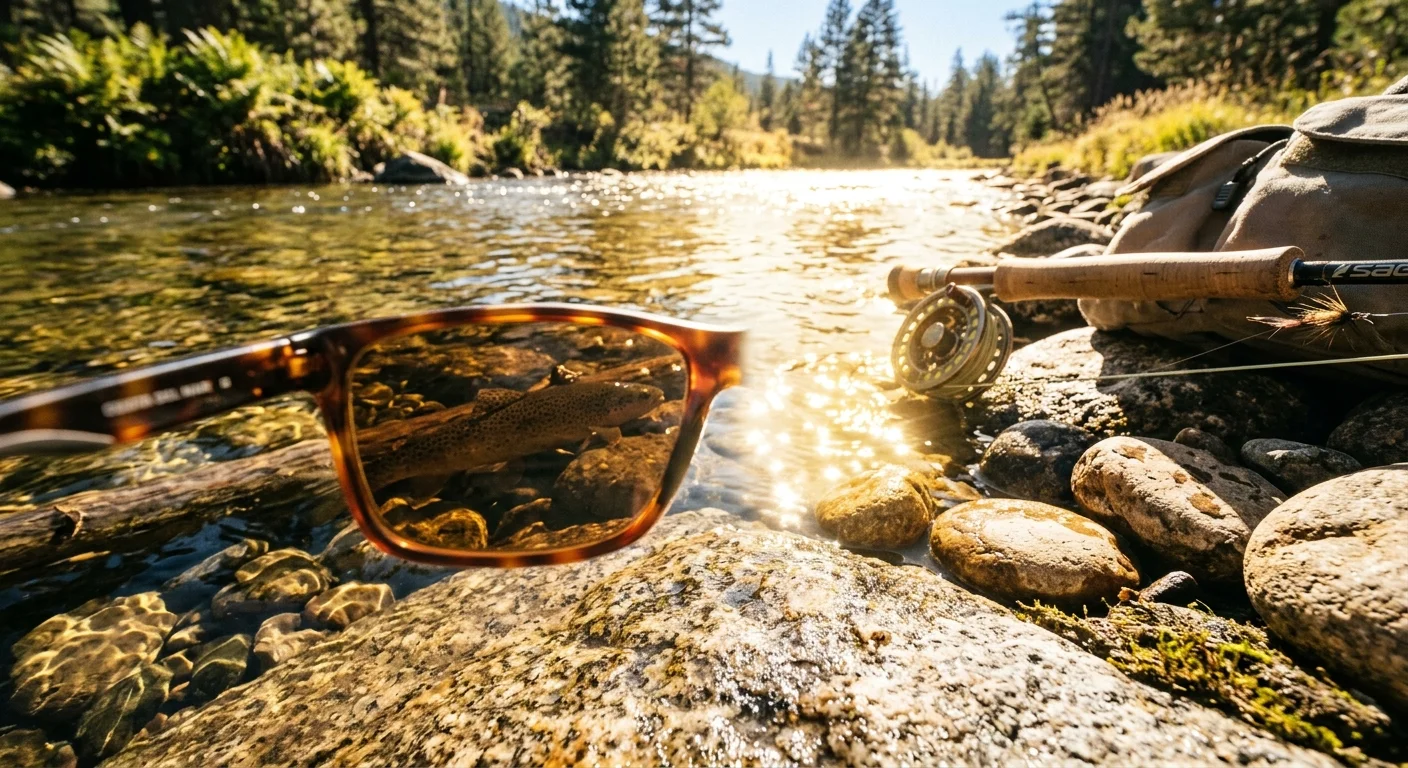
Non-polarized lenses leave you nearly blind on reflective water. Polarized lenses cut surface glare by 90%+. That makes mid-column follows and refusals visible — fish you'd otherwise never notice. Guides report that clients without polarized lenses miss more than half of all visible fish interactions. Plus, polycarbonate lenses block fly fishing's most common eye injury — a high-speed hook to the face on a backcast gone wrong.
5. Wrong Socks in the Wrong Boots
Cotton socks stay wet for hours. Wet feet soften and break down. Soft skin blisters fast on uneven rock. A boot that fits too loose over thin socks lets your heel slip. That causes shear blisters and sloppy foot placement on slick cobble. A boot cinched too tight over two heavy wool socks cuts circulation and brings on numbness.
The fix is simple:
- Choose merino or synthetic socks
- Size them to match your neoprene bootie plus your intended sock weight
- Make sure the heel locks in place
- Leave room for your toes to move
What You Don't Need to Buy for Your Fly Fishing Outfit
Gear companies want you to believe you need a lot. You don't. The list of things you truly need to wear for fly fishing is short.
Here's what you can skip — at least to start:
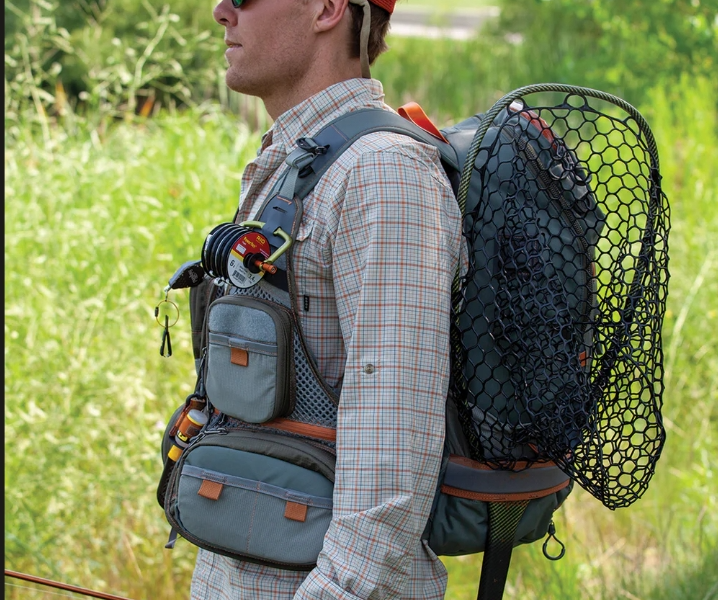
A fly fishing vest. It's the iconic image. It's also unnecessary. A simple sling pack puts your flies, tippet, and forceps within easy reach. It doesn't pile weight on your shoulders or get in the way of your casting arm. Guides who fish 150 days a year often prefer them over vests.
Neoprene waders in warm conditions. Fishing spring through fall? Breathable waders do the job better. Neoprene traps heat and slows you down on any walk to the water. Save it for one situation: standing a cold run for hours in February without moving much.
Camo anything. Trout don't care what your outfit looks like. Quick-dry fabric matters. UPF protection matters. Polarized sunglasses matter. The pattern on your shirt does not.
A PVC rain jacket. These run cheap, but they're bulky and turn you into a walking sauna. A packable DWR-coated shell at around 200 grams does the same job. It won't overheat you on the hike in.
The real starter kit is simple: quick-dry shirt, quick-dry pants, brimmed hat, polarized sunglasses, breathable waders, wading boots, light rain shell, sling pack. That's the full system. Add something new only when you notice a clear gap out on the water.
Conclusion
Gear anxiety is real — but it shouldn't keep you off the water.
Here's the honest truth after years of wading everything from icy spring creeks to August-baked tailwaters: fly fishing clothing isn't complicated once you understand the logic behind it. Layer for the conditions you'll face, not the ones you hope for. High-volume fly fishing wear wholesalers can supply multiple layers at competitive rates, making seasonal stocking more efficient for retailers.Protect yourself from sun and cold water before they become problems. And don't buy everything at once. A $120 setup worn with confidence will outfish a $600 kit that's still in the packaging.
Take the seasonal checklist from this guide and match it to your next outing. Make one smart decision at a time. Start with waders and wading boots if you're entering moving water. Build from there.
The river doesn't care what brand you're wearing. But the right fly fishing layering system makes a real difference. Investing in a complete kit at the right fly fishing apparel wholesale price ensures anglers get functional gear without overspending on items they won't use.It shapes whether you come home wanting to go back — or swearing you'll never do it again.
Go find out which one it is.