Standing on a boat deck at noon with the sun hammering down, you learn fast that not all fishing shirts are built the same. That thin, sweat-soaked cotton tee clinging to your back is working against you, trapping heat and offering zero protection when you need it most. The fabric on your back matters just as much as the reel in your hand. Polyester fishing shirts, nylon blends, Coolmax, Supplex—each one behaves differently under sun, sweat, and saltwater, and picking the wrong one can mean the difference between a comfortable day on the water and a miserable one. Below we break down five of the most common fishing shirt fabrics, weighing their performance, breathability, sun protection, and durability side by side so you can walk into your next gear decision knowing exactly what you're buying and why.Brands can develop custom Fishing Shirt Fabric for specific performance needs.
Polyester Fishing Shirt Fabric: The All-Around Choice for Quick-Dry Sun Protection
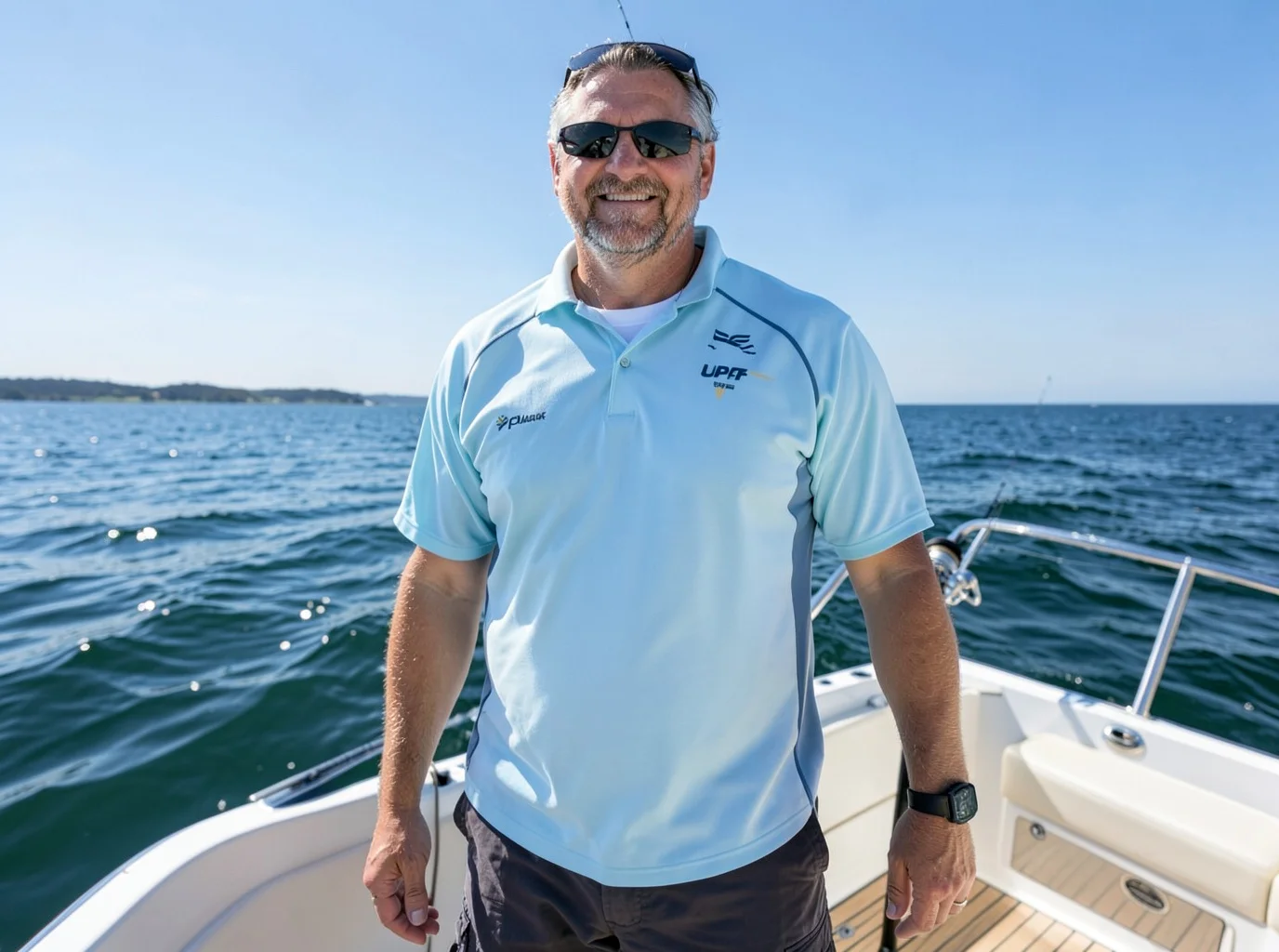
Walk into any tackle shop's apparel section and you'll notice that most sun-protection shirts are made from 100% polyester or a polyester-spandex blend. Polyester delivers the exact combination anglers need: UPF 50+ sun protection , quick dry performance , and lightweight comfort that holds up wash after wash.
The Numbers Behind the Fabric
Most fishing-grade polyester shirts run 100–130 GSM, a weight range that balances coverage with airflow. The UPF 50+ rating on nearly every polyester fishing shirt means only about 1/50th of UV rays penetrate the fabric, roughly 98% blocked. Brands testing to AATCC 183 and AS/NZS 4399 standards back this up, with some labeling their fabric as blocking "at least 95% of UV rays."
The real difference between premium and cheap polyester shows up in breathability and dry time. A specialized Fishing Shirt Fabric manufacturer can fine-tune weight, stretch, and airflow.Higher-end fabrics reach MVTR ratings above 10,000 g/m²/24h and Ret values at or below 3.5 m²·Pa/W , so these shirts hit 85% dryness within 15 minutes . Standard polyester, by comparison, typically takes 30–45 minutes to dry fully, still faster than cotton but noticeably behind performance-grade options that dry up to 3x faster .
Durability That Doesn't Fade
Quality UPF fabric bakes sun protection into the weave itself rather than relying on a surface coating. That's why top-tier polyester shirts maintain UPF 50+ protection even after 100+ washes , a critical detail for anglers who fish year-round.
Popular Options and Real-World Feedback
The Nomad Design Tech Fishing Shirt and Decathlon Anti-UV T-shirt 500 both use 100% polyester with mesh weaves for moisture wicking. Budget brands like Roadbox, Tevasen, and Palmyth often use 90/10 polyester-spandex blends for added stretch.
User reviews consistently praise polyester for feeling "cooling, dry, breathable" during long days on the water. Some anglers do report a "hot and sticky" or clammy feeling in low-wind, high-heat conditions, but that's usually a sign of tighter-woven, lower-quality polyester rather than a problem with the fabric type itself.
Nylon Fishing Shirt Fabric: The Hardcore Choice for Abrasion and Tear Resistance
Drag a shirt across a boat rail a hundred times and you'll quickly find out what it's made of. Nylon is the fabric that keeps showing up in gear built for that kind of punishment, and the numbers explain why.
Built to Take a Beating
Industry testing puts nylon's abrasion resistance about 20–25% higher than polyester at the same weight. Nylon typically survives 15,000–20,000 standard abrasion cycles before failing, while polyester taps out around 10,000–12,000. Tensile strength tells a similar story. Nylon runs 75–95 MPa dry, polyester 55–80 MPa. Even wet, nylon holds onto roughly 94% of its strength (about 70–90 MPa), edging out polyester's 90% retention.
For denier specs, 500D and 1000D nylon are the go-to for heavy-use fishing apparel . Some Nylon Fishing Shirt manufacturer data even lists 1000D nylon as capable of withstanding pulls exceeding 100 lbs. If you're sourcing fabric, ask for reports on ASTM D5034 (tensile), ASTM D2261 (tear), and AATCC 127 (water resistance). For abrasion, Taber or Martindale results above 8,000 cycles are a solid baseline for hardcore fishing use.
The UPF and Dry-Time Trade-Off
UPF 50+ in nylon comes from tight weaves, higher density, and UV finishing, not the material name alone. Polyester/nylon blends often deliver the best of both, holding UPF 50+ while drying in 30–60 minutes.
Straight nylon is another story. Polyester dries 25–30% faster, sometimes 4–5x faster, than nylon. Nylon absorbs about 4–4.5% moisture by weight versus polyester's 0.4–0.8%. Real-world dry times for heavy nylon fishing shirts often land at 45–75 minutes, though lightweight nylon-mesh blends with DWR treatment can drop under 30 minutes.
Where Nylon Earns Its Place
Nylon shines on the boat deck, rubbing against gunwales, rod holders, and coolers all day. Saltwater anglers battling salt crystallization and gear friction benefit too, provided the fabric pairs abrasion resistance with a fast-dry structure. For rough, high-friction work, 500D–1000D nylon or nylon-reinforced blends are the harder-wearing choice, even if they're not the lightest shirt in your closet.
Polyester-Cotton Blend: A Compromise Between Comfort and Performance
Every polyester-cotton blend is a trade-off, and the ratio tells you exactly what you're trading. Bump the cotton content up and you get softer feel and better moisture absorption, but you also get a shirt that holds onto water longer. In moisture management testing, OMMC scores climb from 0.4329 in a 65/35 blend to 0.449 at 50/50, and up to 0.4592 at 35/65. More cotton means more wetting capacity, which sounds good until you're the one wearing it wet.
The Wet-Weight Problem
Cotton gets heavy when it's soaked. Fully-cotton fabric typically gains 1.5–2.0x its dry weight once wet, sometimes climbing past 2.2x with thicker weaves. Pure synthetic fabric only picks up 1.2–1.4x. That gap matters on a boat deck where sweat and splash are constant. A 50/50 blend will feel noticeably damper and heavier than a 65/35, because it's holding more of that ratio's cotton content.
Dry Time and Sun Protection Take a Hit
At 80% humidity, 100% cotton needs 53 minutes to dry. A 65/35 blend cuts that to 29 minutes, about 45% faster, while sweat absorption drops from 142% to 93% and heat retention index falls from 6.2 to 4.1. Still, this fabric type lags well behind straight polyester's quick dry fishing shirt material performance.
UPF ratings tell a similar story. These blends typically land at UPF 15–25, and wet fabric can drop that further, sometimes to UPF 2–5 in loosely woven cotton-heavy versions. That's a low bar compared to true UPF 50 sun protection fabric.
Where This Fabric Actually Works
Polyester-cotton blends make sense for short outdoor stints, mild sun exposure, or casual wear layered under a hat and sunscreen. For serious time on the water, especially saltwater fishing with constant splash and sun glare off the surface, this blend falls short. High-density polyester or nylon still wins for anglers who need consistent moisture wicking fishing shirt performance and stable UPF protection even after getting soaked.
Coolmax Fabric: The Sweat-Wicking Expert for Extreme Heat
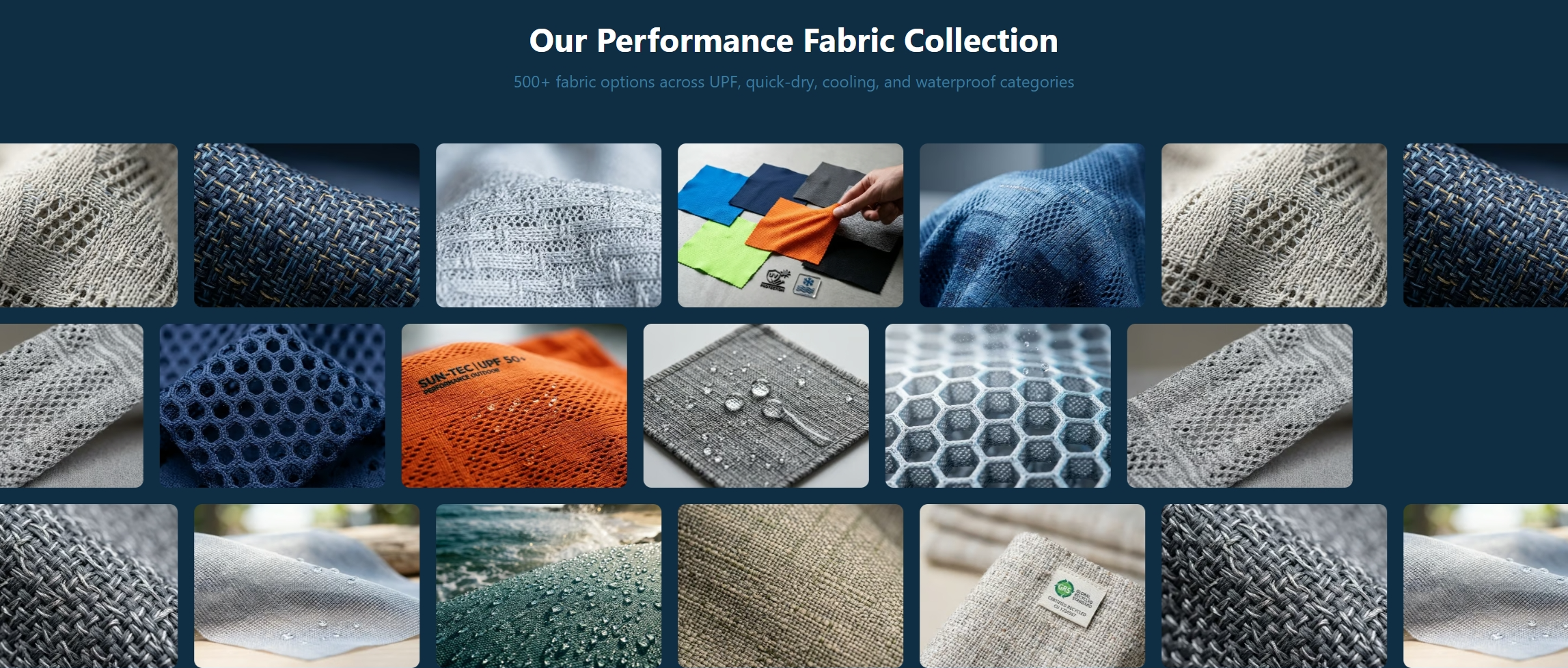
Sweat through three shirts before noon and you start asking different questions about fabric. Coolmax was built to answer them. It's a modified polyester, but the fiber shape is where the magic happens. Instead of a round cross-section, Coolmax uses a tetra-channel design—four grooves running the length of each fiber that increase surface area by roughly 19.8% compared to standard round fibers. More surface area means more capillary action, which means sweat moves off your skin faster than most anglers realize.
The Numbers That Matter
Testing under AATCC 195 puts Coolmax's one-way wicking index above 85% , meaning most of the liquid moves from the inside layer to the outside where it can evaporate. In 30-minute moisture-loss tests, Coolmax approaches near-100% water loss , compared to roughly 50% for cotton and 85% for acrylic . Separate wicking-height tests recorded 120mm vertical and 140mm horizontal wicking distance in 30 minutes, well above the 100mm industry standard.
Where It Falls Short
Coolmax trades abrasion resistance for wicking speed. Martindale testing (SATRA TM31-2003, 25,600 cycles) rated 600D polyester as "moderate abrasion," while 500D and 1050D nylon both scored "very slight abrasion." So Coolmax isn't your rail-dragging, gunwale-scraping fabric. And UPF? It's not fixed. Research on Coolmax-cotton blends shows sun protection shifts across dry, wet, relaxed, and stretched states, so a listed UPF number can drop once the fabric gets wet or stretched tight across your shoulders.
Best Use, Practically Speaking
Coolmax runs 15–30% pricier than standard polyester, and it earns that premium as a base layer, not an outer shell. Lure fishing with constant casting, trolling in humid heat, deck work under blazing sun—these are Coolmax's moments. Pair it as the inner layer, let nylon or heavier polyester handle the high-friction outer zones, and you've built a shirt system that matches how anglers sweat and work.
Supplex Fabric: Balancing Soft Feel and Durability
Not many fabrics manage to feel like cotton while performing like nylon. Supplex does exactly that. Developed by DuPont back in the 1980s and now carried forward under INVISTA's ownership, Supplex is a registered fiber system that takes multiple fine nylon filaments, weaves them densely, and textures the surface so it feels soft rather than slick. The result reads as "nylon-like toughness" wrapped in a cotton-like hand.
Softer Without Sacrificing Strength
Softer fishing shirt Manufacturer data commonly cites Supplex as 26–36% softer than standard nylon, yet it retains nylon's core advantages: abrasion resistance, tear strength, and shape retention after repeated wear. If you're sourcing fabric directly, ask for Martindale abrasion results, tensile strength figures, pilling ratings, and post-wash shrinkage data, then run an A/B test against standard nylon of the same weight to confirm the claims hold up.
UPF Depends on Weave Density and Layering
Sun protection in Supplex tracks closely with weave density and layering. Thicker builds like 2-Ply and 3-Ply Supplex often carry UPF ratings printed right on the product page, landing anywhere from UPF 15–24 (good, 93.3–95.9% blocked) up to UPF 40–50+ (excellent, 97.5–99%+ blocked). A 50/50 Supplex/Cordura high-density plain weave is a good example, rated UV40+ thanks to tighter yarn coverage.
Real-World Specs and Best Fit
Common commercial blends include 86% nylon / 14% elastane stretch fabric and the heavier 50% Supplex / 50% Cordura, sometimes weighing around 180 g/sqm. Fishing shirt Suppliers like Tex-Ray, Rockywoods, and Extremtextil sell it widely, with feedback consistently pointing to breathable, quick-dry comfort that holds shape over long wear. For anglers wanting soft, all-day comfort with dependable UPF and durability, look for higher-ply, UPF 40+ Supplex; for heavier abrasion resistance, the Cordura blend wins out.
5 Fabrics Compared: Weight, UPF, Dry Speed & Durability at a Glance
Reading five separate spec breakdowns doesn't help when you're standing in a store trying to pick a shirt. This table puts every fabric side by side, using the metrics that decide how you'll feel eight hours into a trip.
Fabric | Weight (GSM/Denier) | Breathability | UPF Rating | Dry Speed | Durability | Best For |
|---|---|---|---|---|---|---|
Polyester | 100–130 GSM | Moderate-good | UPF 50+ (98% blocked) | 15–45 min | 15,000–20,000 wash cycles maintaining UPF | All-around, sun-heavy days |
Nylon | 500D–1000D | Moderate | UPF 20–40, up to 50+ treated | 45–75 min (30 min lightweight mesh) | 15,000–20,000 abrasion cycles | Boat decks, high-friction use |
Poly-Cotton Blend | Varies by ratio | Good, but wets easily | UPF 15–25 (drops to 2–5 wet) | 29–53 min | Moderate | Casual, mild sun, short outings |
Coolmax | Standard polyester weight | Excellent (near-100% wicking) | Variable, shifts wet/stretched | Fastest of the five | Moderate ("moderate abrasion" at 600D) | Base layer, deck work in heat |
Supplex | ~180 g/sqm (heavy blend) | Good | UPF 15–24 to 40–50+ (ply-dependent) | Fast, comparable to nylon | High, nylon-level strength | Soft-hand comfort with durability |
A quick UPF cheat sheet worth memorizing: UPF 15 blocks about 93.35% of UV rays, UPF 30 blocks roughly 96.7% , and UPF 50/50+ blocks close to 98% . That gap matters more than it looks on paper. A jump from UPF 15 to UPF 50 cuts your UV exposure by roughly two-thirds.
One more thing this table can't capture: wet fabric behaves differently than dry fabric. Cotton-heavy blends lose UPF fast once soaked. Tightly-woven synthetics like polyester and nylon hold their protection much better, which is why saltwater anglers lean synthetic almost across the board.
If you're shopping by priority rather than scanning specs, sort it this way. Sun protection first means checking UPF alongside weave density, not just the label. Rough handling points you toward nylon or Supplex-Cordura blends. Hot, still-air days favor Coolmax or lightweight polyester for the breathability and dry speed combo.
Fishing Shirt Fabric Buying Rules: How To Avoid Getting Burned
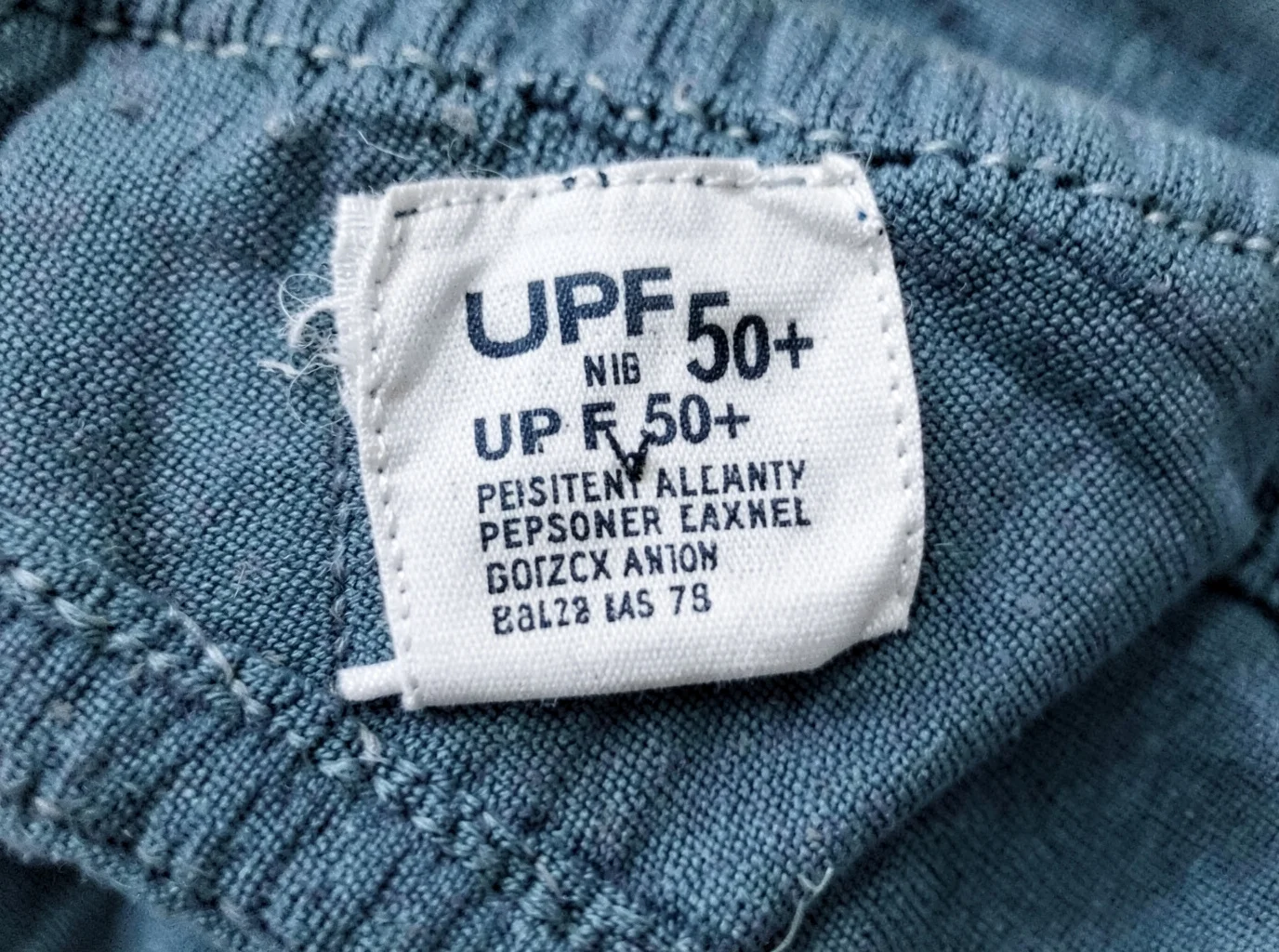
Labels lie by omission. "Sun protective" means nothing without a UPF number attached. Demand UPF 50+, and favor tight-weave, structural protection over surface coatings that fade after washing. Check the ingredient list order. Polyester and nylon should lead, with elastane behind them for stretch. If cotton tops the list, walk away—cotton loses UPF fast once stretched or soaked. Look for printed testing standards, AATCC 183 or AS/NZS 4399, not marketing buzzwords. Buy only when the label shows UPF 50+, a tight weave, lightweight synthetic fabric, and documented wash retention. Skip anything relying on coating alone without post-wash UPF data.
Conclusion
There's no single "best" fishing shirt fabric—only the best fabric for your water. If you're chasing redfish under a brutal August sun, a lightweight polyester fishing shirt with UPF 50 sun protection fabric will out-perform anything cotton-based. If you're bushwhacking through brush to reach that hidden trout stream, nylon's abrasion resistance earns its keep. And if you're fighting tarpon in humid, sweltering conditions, Coolmax's moisture-wicking prowess is worth every penny.
The real skill is matching fabric weight, breathability, and durability to the specific punishment your next trip will dish out.
So before you add that shirt to your cart, ask yourself what you'll actually be doing in it. Then match the fabric to the mission, not the marketing copy. Wholesale Fishing Shirt Fabric is ideal for brands planning larger production runs.Your future self, standing comfortably in the sun twelve hours in, will thank you.